Daily Do-Now
A new species match-up and battle site will be added each day! Start each class by answering the following questions:
Which species would win in combat?
What is one feature or behavior that gives it the edge?
Adapted from March Mammal Madness at ASU
Thursday, February 19, 2026
Puma (2)
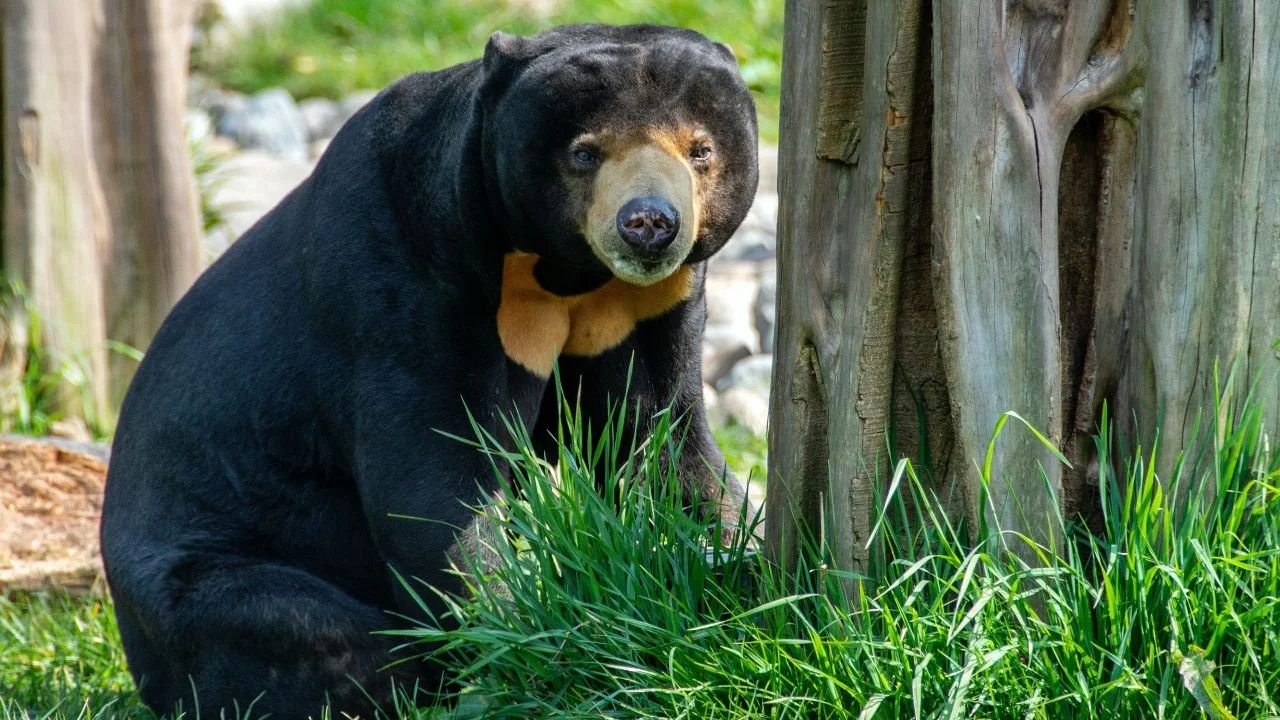
Sun bears are the smallest bear species and live in the tropical forests of Southeast Asia. They are excellent climbers with long claws and strong paws, and they use their powerful tongues to slurp up insects and honey.
Biome: Tropical Rainforest
vs.
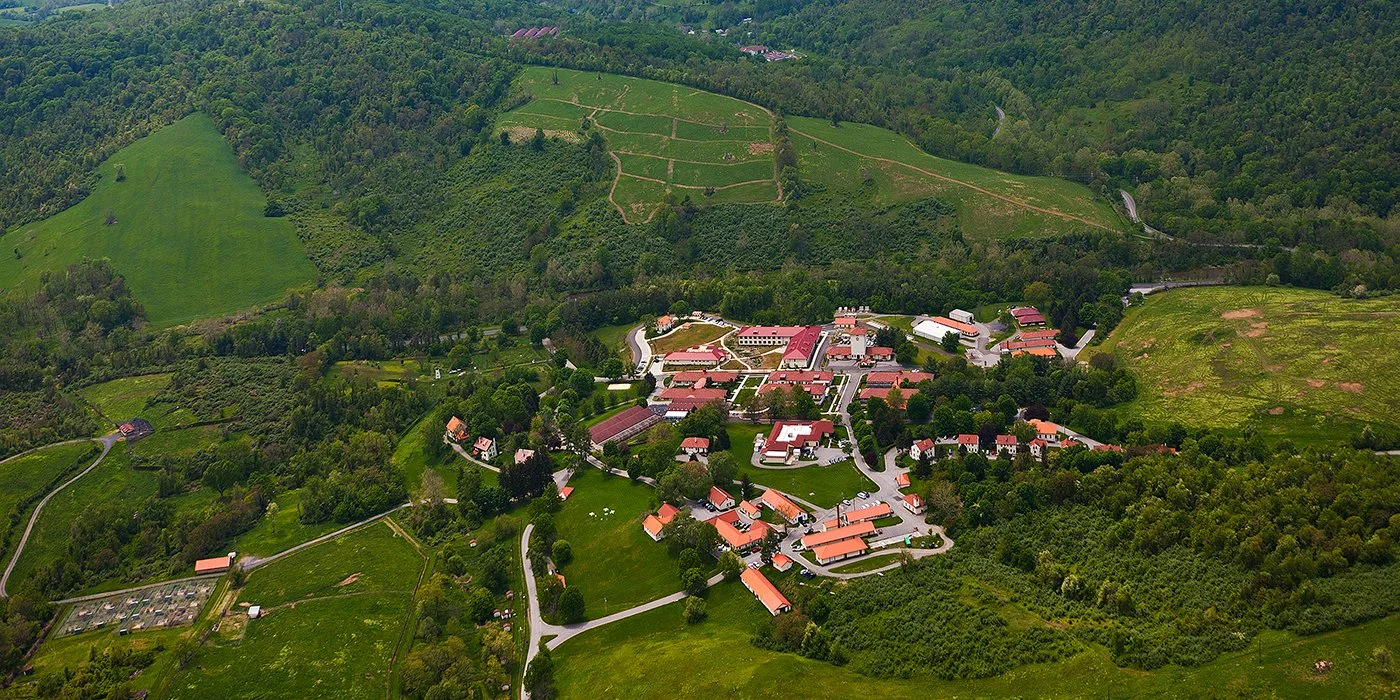
Randomly Selected Battle Site:
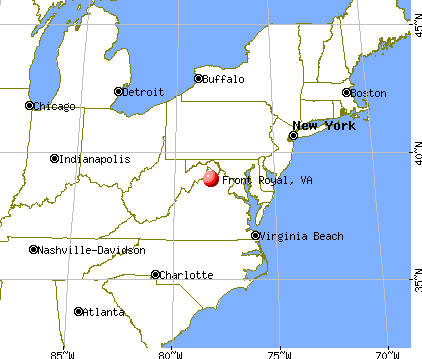
Smithsonian Conservation Biology Institute, Front Royal, VA
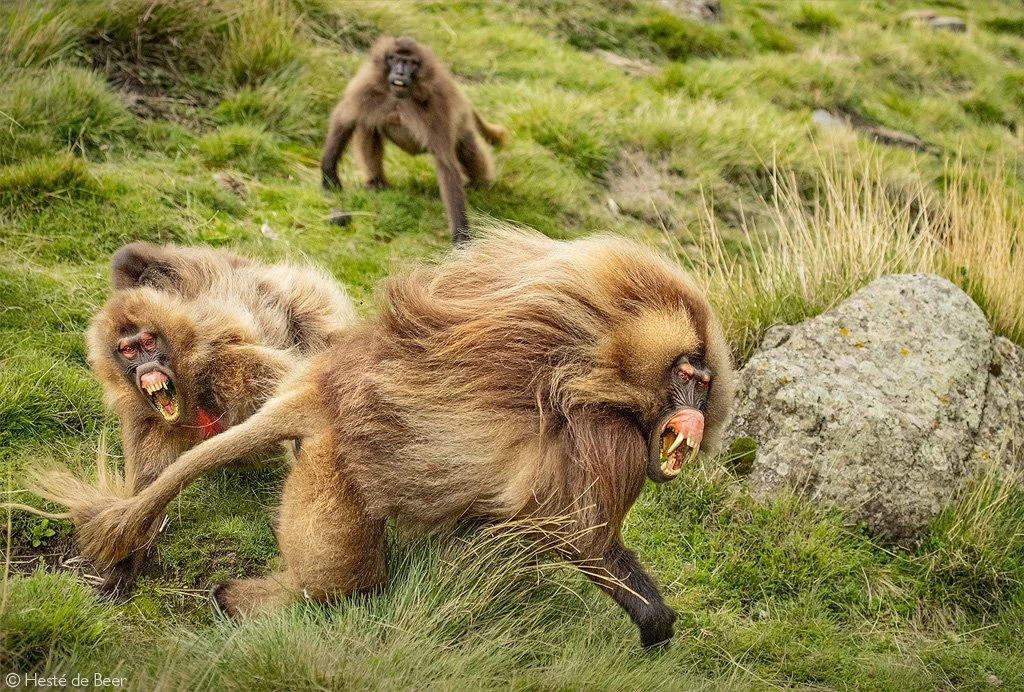
Gelada (8)
Geladas (again!) are grass-eating primates that live in the high mountains of Ethiopia. They spend most of their day grazing and use complex calls and facial expressions to communicate within their large social groups.
Biome: Grassland
Wednesday, February 18, 2026
Sun Bear (2)
Sun bears are the smallest bear species and live in the tropical forests of Southeast Asia. They are excellent climbers with long claws and strong paws, and they use their powerful tongues to slurp up insects and honey.
Biome: Tropical Rainforest
vs.
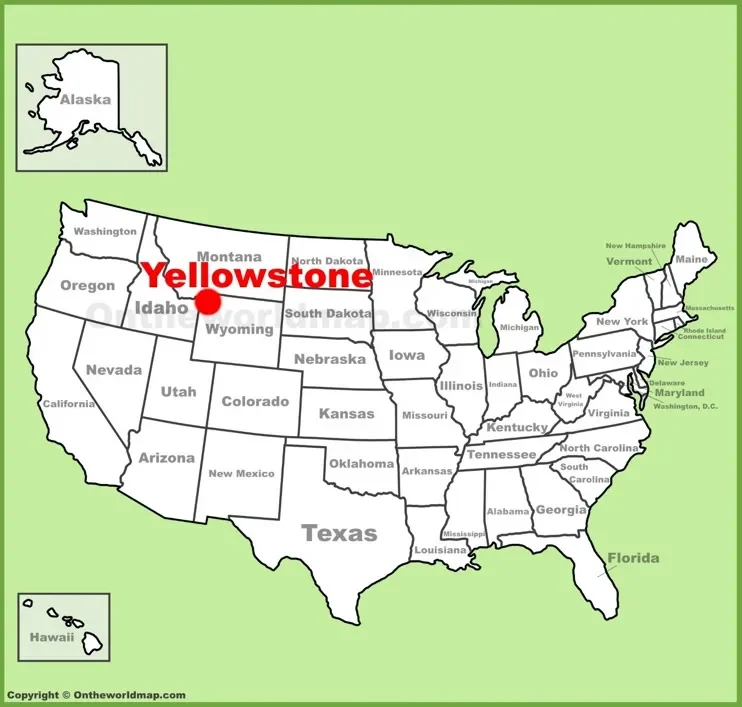
Randomly Selected Battle Site:
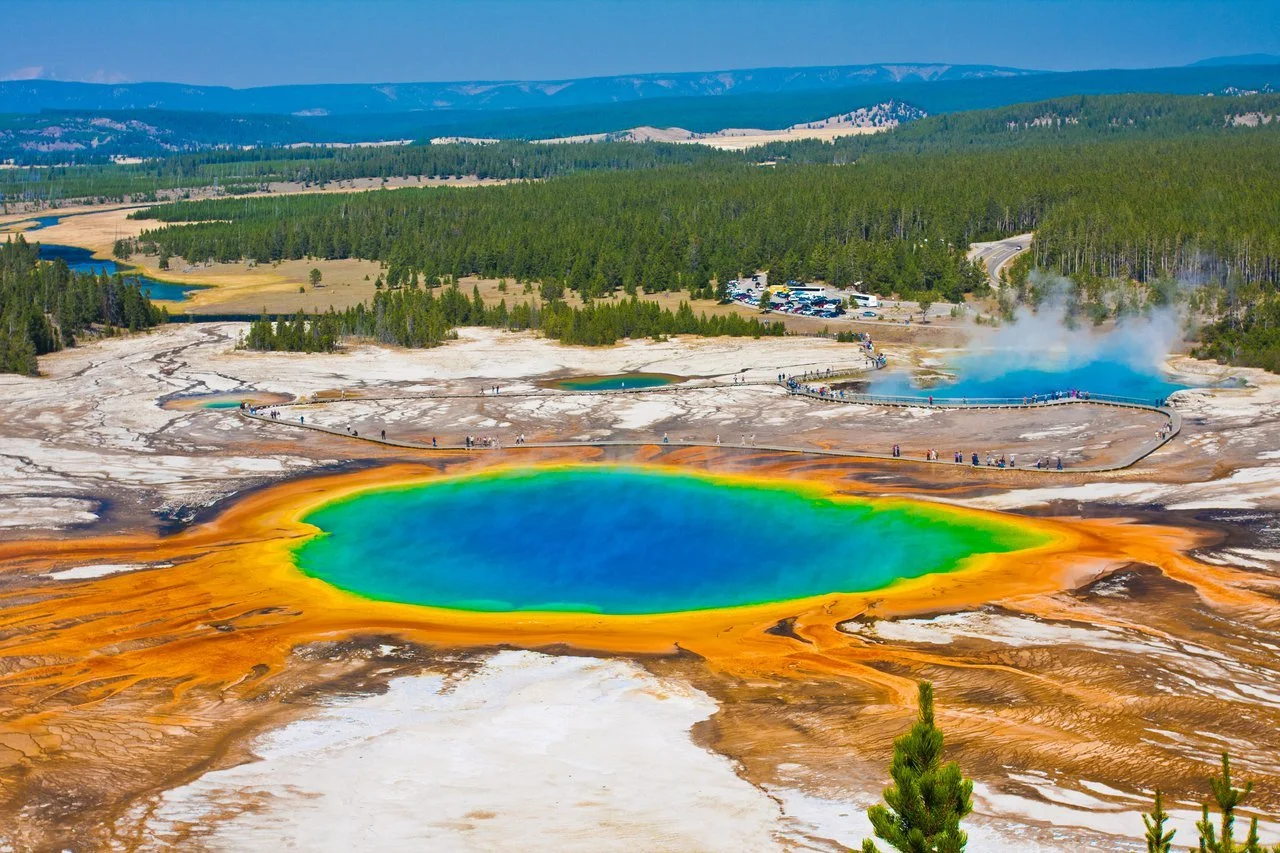
Geothermal wetlands of Yellowstone National Park, Wyoming
Gelada (8)
Geladas are grass-eating primates that live in the high mountains of Ethiopia. They spend most of their day grazing and use complex calls and facial expressions to communicate within their large social groups.
Biome: Grassland
Tuesday, February 17, 2026
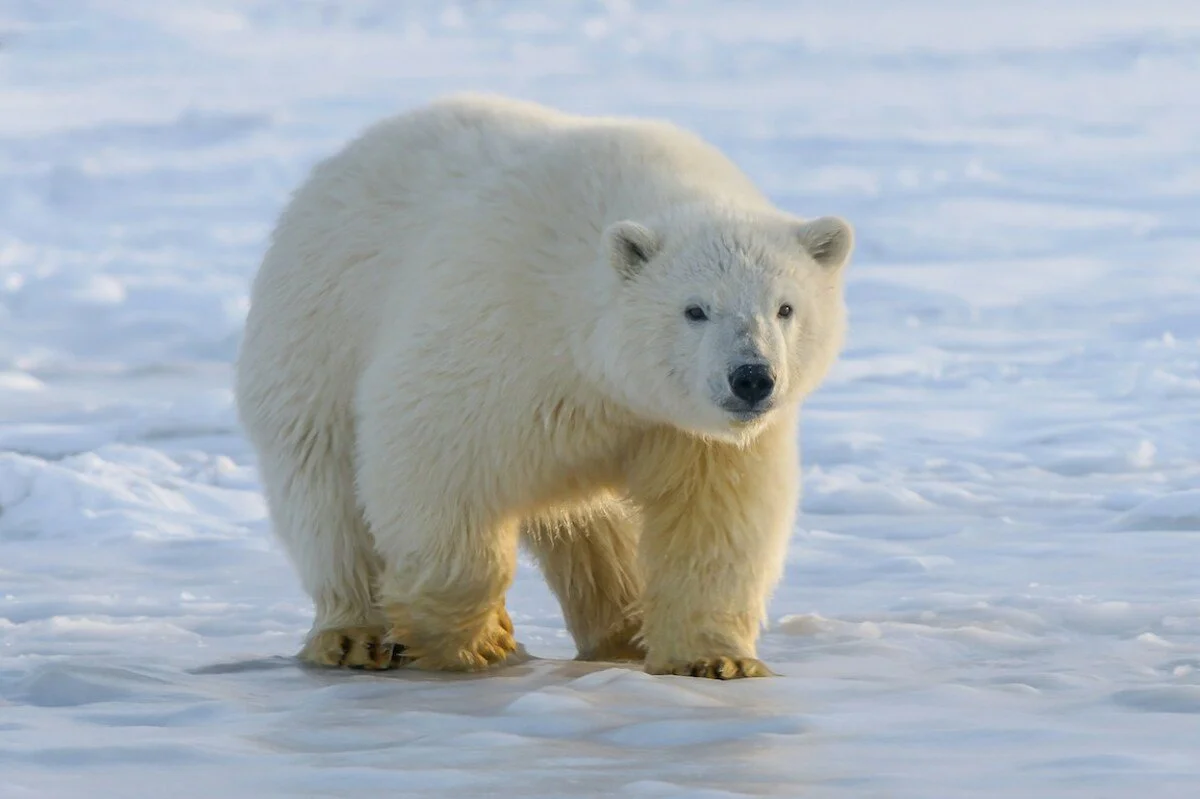
Polar Bear (1)
Polar Bears (Ursus maritimus) have high resting metabolic rates due to their large mass & carnivorous diet. They have adapted to prefer energy-dense prey to meet energetic demands & fuel daily activities. However only pregnant Polar Bears hibernate, helping them cope with increased demands of reproduction. They mate in Spring but delay gestation until hibernation (late Fall) when they spend ~2 months before giving birth and another 3 months lactating.
Biome: Arctic Marine
vs.
Randomly Selected Battle Site:
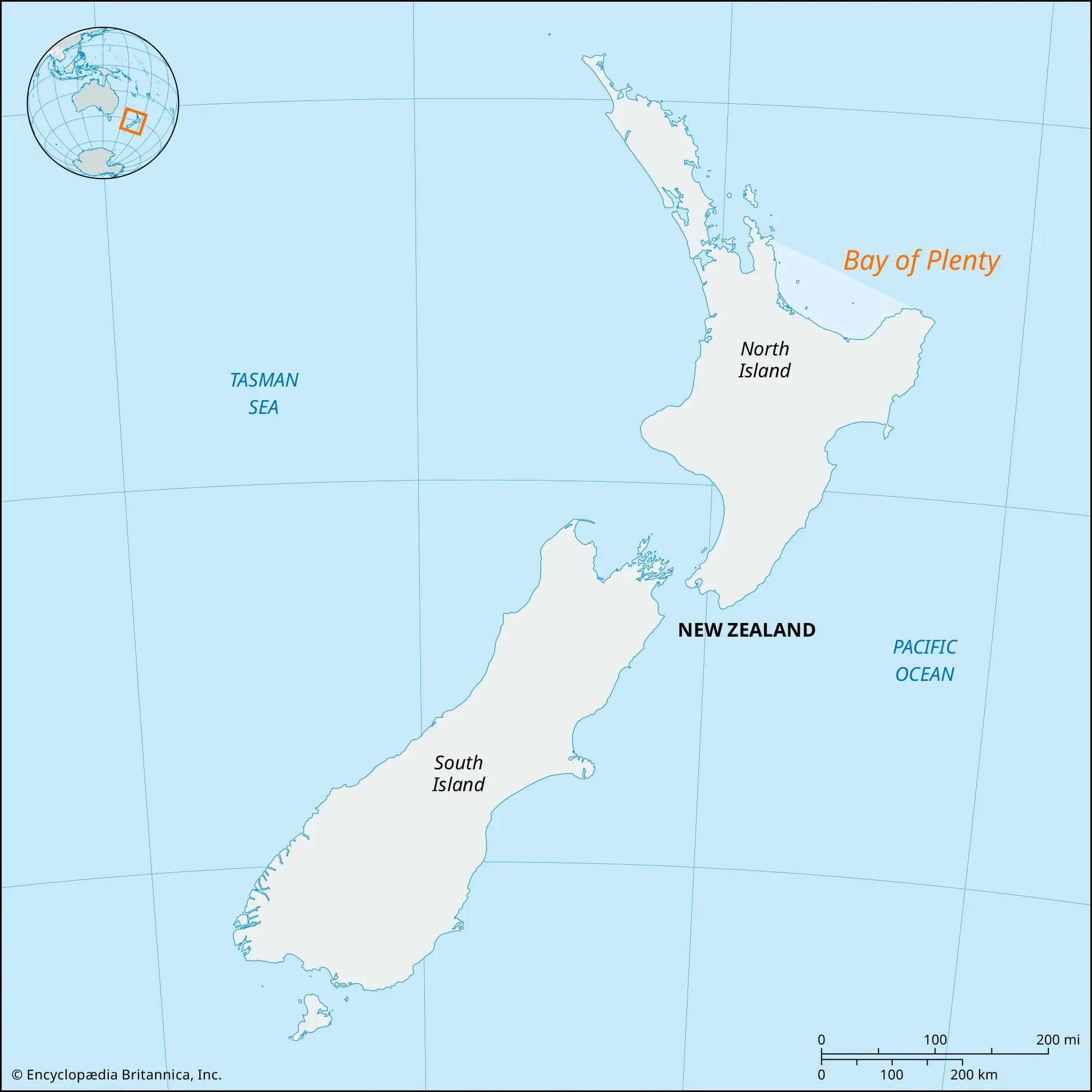
Bay of Plenty, New Zealand
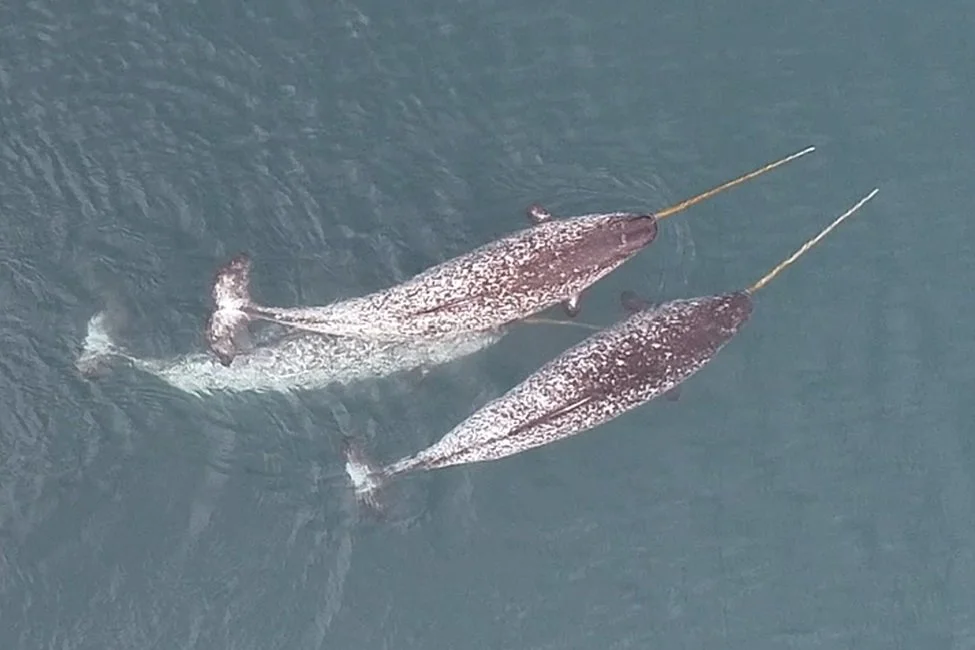
Narwhal (2)
Toothed whales (like Narwhal, Monodon monoceros) have flexible rib cages that allow for lung compression in response to depth-related pressure changes that would otherwise cause their lungs to burst (Rommel et al. 2006). During dives, Narwhal do not breathe; insights into their physiology during oxygen-poor (hypoxic) conditions have been applied to understanding human physiology during COVID-19 infections.
Biome: Arctic Marine

Monday, February 16, 2026
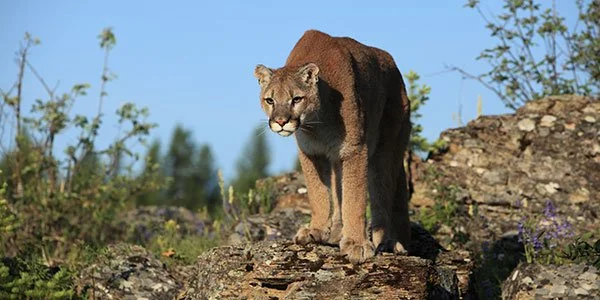
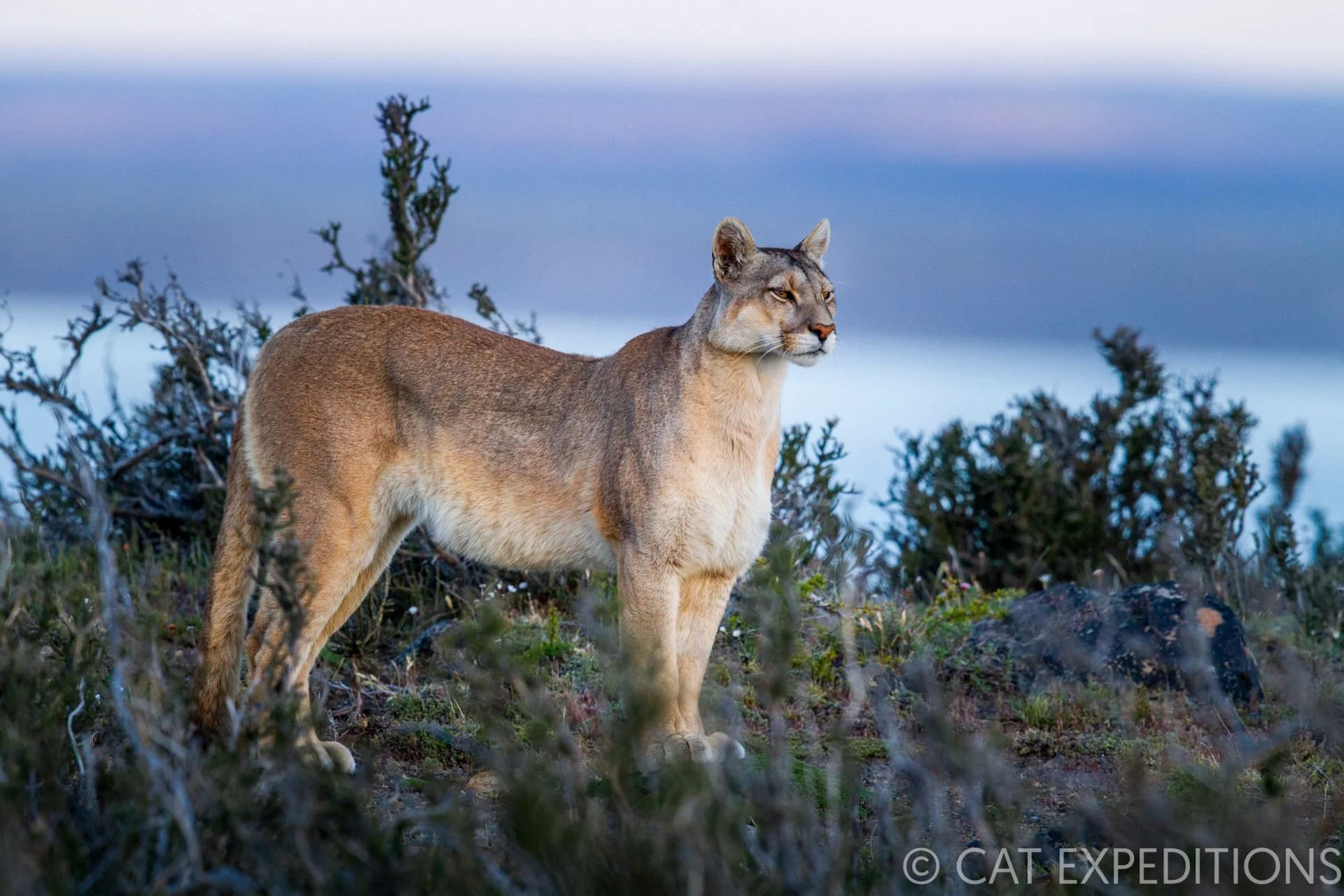
Puma (2)
Puma (Puma concolor), also called a mountain lion or cougar, is a powerful, solitary predator found across North and South America. It uses stealth, strong hind legs, and careful energy management to stalk and ambush prey like deer.
Biome: Virtually everywhere except the poles!
vs.
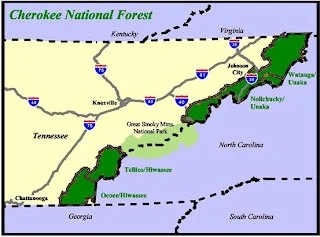
Randomly Selected Battle Site:
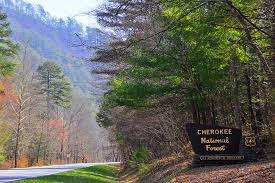
Cherokee National Forest, Tennessee
Addax (1)
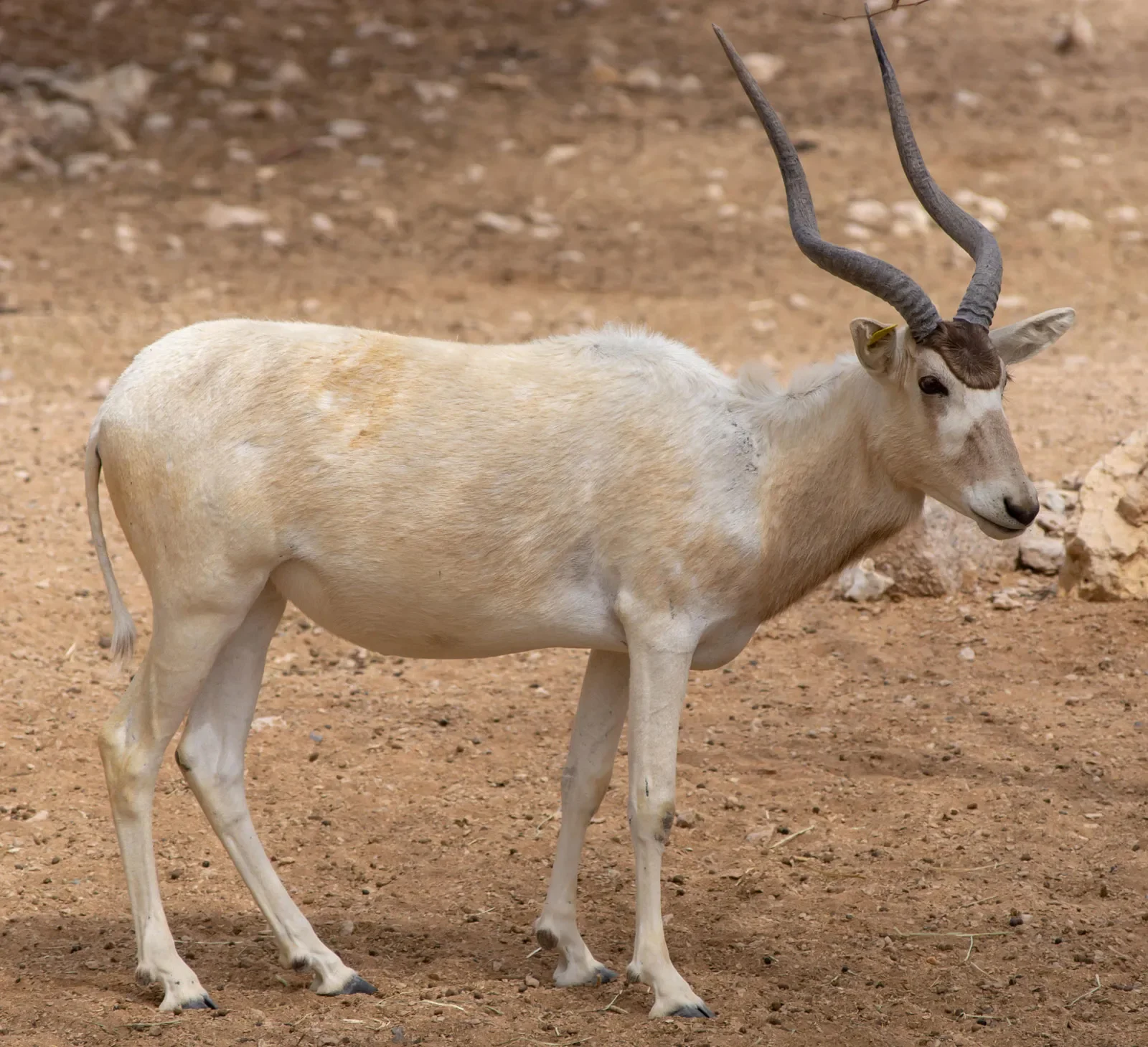
Addax (Addax nasomaculatus) joins the ELITE TRAIT round after scaring Peccary, watching Spotted-Necked Otter pounce a migrating bird, and accidentally hoof smooshing Grant’s Golden Mole. Staying hydrated in the desert is no easy task! In order to survive, Addax hold onto water from the grasses they eat for an average of 36 hours - longer than camels! They may store water in their rumen, a part of their complex stomachs used to help break down grasses.
Biome: Grasslands
Friday, February 13, 2026
Sun Bear (2)
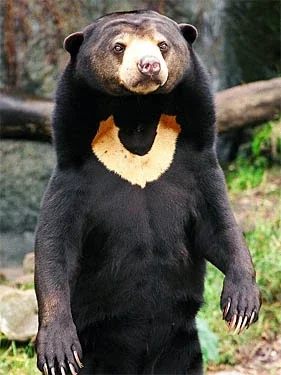
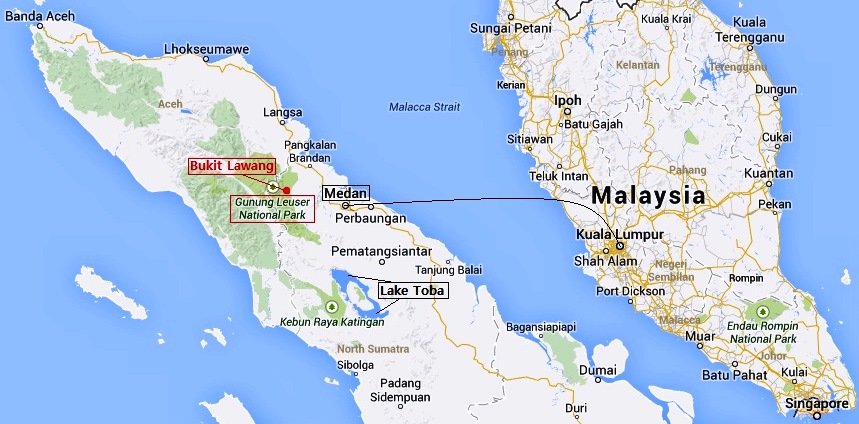
The smallest living ursid, male Sun Bear's (Helarctos malayanus) weigh up to 130lbs (65kg). Their common name comes from the U-shaped chest patch ranging in color from white to dark orange, that looks somewhat like a sunrise/sunset that most bears have.
Biome: Tropical Rainforest
vs.
Sunda Colugo (3)
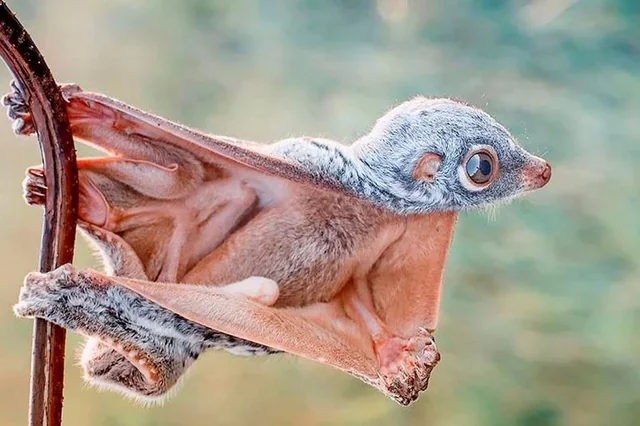
Sunda Colugo (Galeopterus variegatus) is much larger than a Flying Squirrel (2 kg vs 0.14 kg) with patchy colored fur for camouflage and forward facing eyes like primates (which is partly why they are also called flying lemurs).
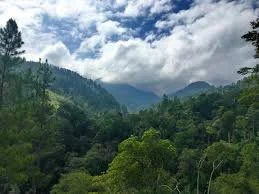
Biome: Tropical Rainforest
Thursday, February 12, 2026
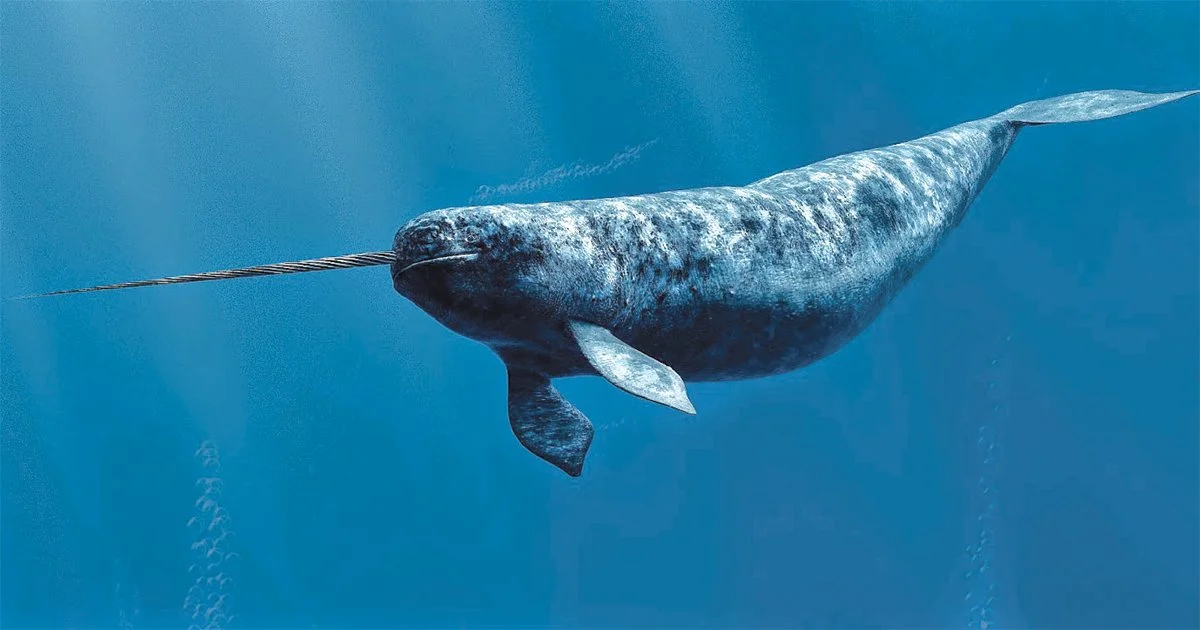
Narwhal (2)
Narwhal (Monodon monoceros) coloration changes with age. Juveniles start out uniform bluish-black and increased white mottling appears as they get older. Most adults appear speckled while very old individuals can be almost fully white.
Biome: Marine
vs.
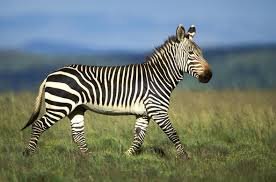
Mountain Zebra (6)
Mountain Zebra (Equus zebra) wears their classic #TuxedoStyleDivision colors in some tasteful black and white stripes. While the whole herd is dressed to the nines, each individual has their own unique stripe pattern that can help identify who they are and who their family is.
Biome: Grasslands

Wednesday, February 11, 2026
Alligator Gar (2)
Alligator Gar (Atractosteus spatula) "belong to an ancient lineage of fish dating back over 200 million years" in the Age of Dinosaurs (David et al. 2018). With a thick armor of grey-green scales and a long toothy snout, Gar looks very prehistoric.
Biome: Marine
vs.
Battle Site:
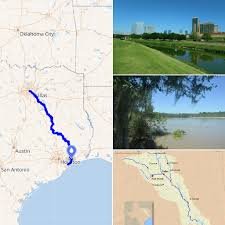
Trinity River, Texas - right on the Gulf of Mexico
Frilled Shark (3)
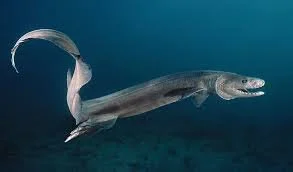
Clocking in at 6.6ft (5.92 stoats) in length, the Frilled Shark (Chlamydoselachus anguineus) is an eel-like shark found near the ocean floor in the Atlantic and Pacific, named for its six pairs of wavy gill slits. This Shark's most striking feature is its curved, needle-sharp teeth (300 in total!).
Biome: Marine (Deep Sea)

Tuesday, February 10, 2026
Polar Bear (1)
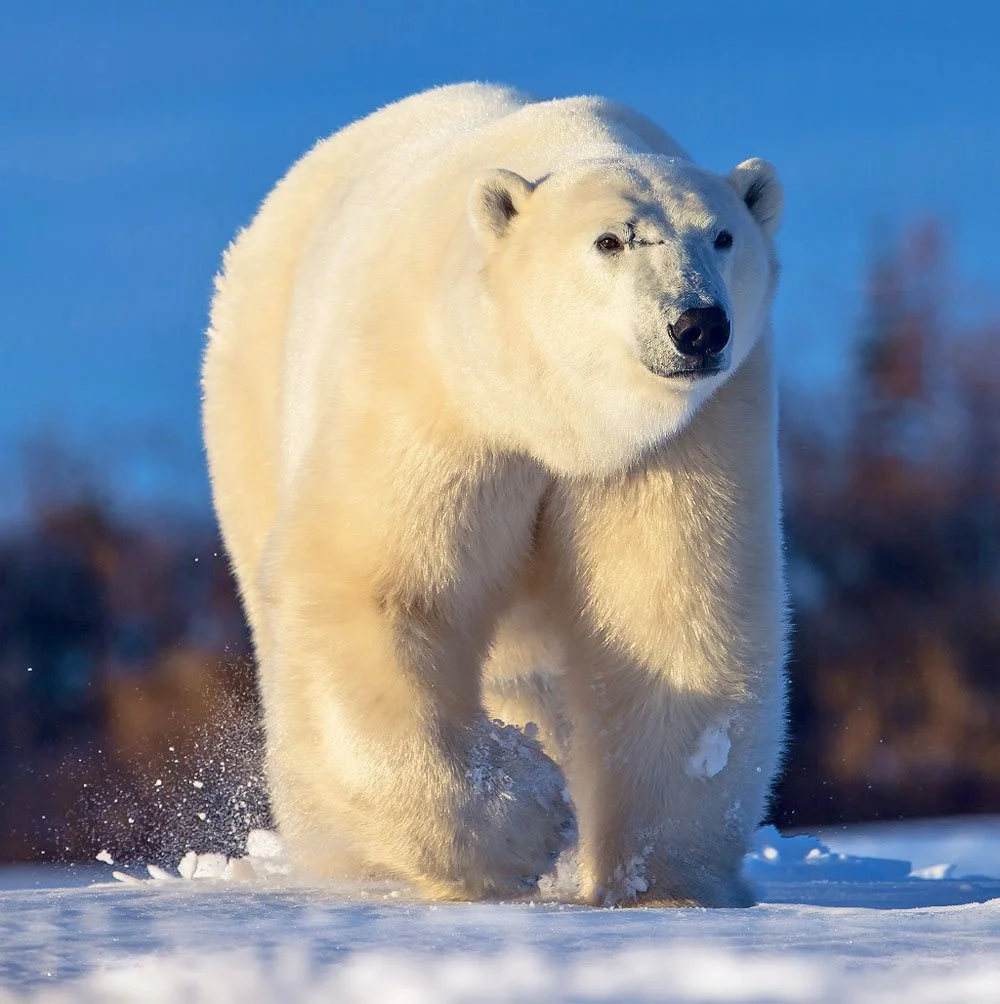
Polar Bears (Ursus maritimus) have translucent, hollow hair that keeps them warm like a puffy jacket. Their hair appears white because it reflects visible light and provides camouflage against snow and sea ice. Their eyes, nose, lips, and skin are black.
Biome(s): Arctic Marine
vs.
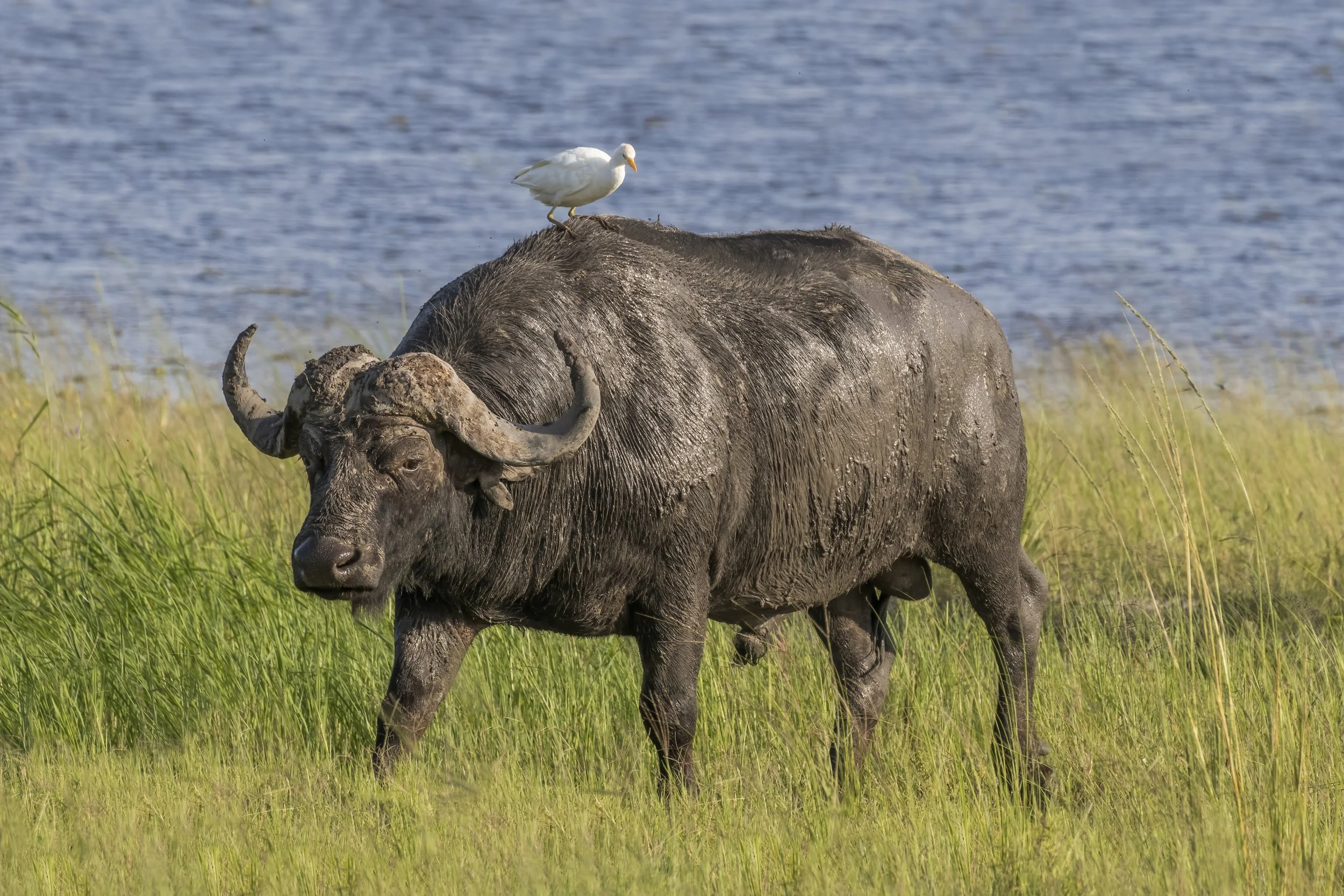
Cape Buffalo (4)
Cape Buffalo (Syncerus caffer caffer) are big, horned, even-toed ungulates with males weighing about 1840 lbs and have shoulders around 15.6 ft high. Cape Buffalo's coat is black/dark brown and adult males have large horns that are very close together at the base (called a "boss") and curve upwards at the ends reaching around 4.3 ft wide. Adult females have small horns (but no boss).
Biome: Savannah Grasslands

Monday, February 9, 2026
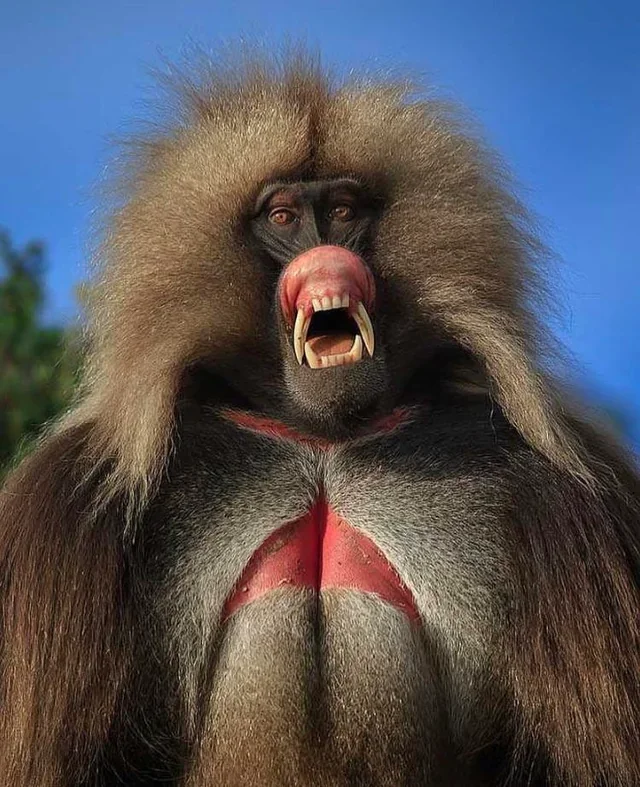
Gelada (8)
When geladas (Theropithecus gelada) yawn, they show off an impressive set of thick canines, accompanied by a loud yawning noise. That yawn noise is contagious between gelada individuals - just like yawns in humans!
Biome(s): Grasslands
vs.
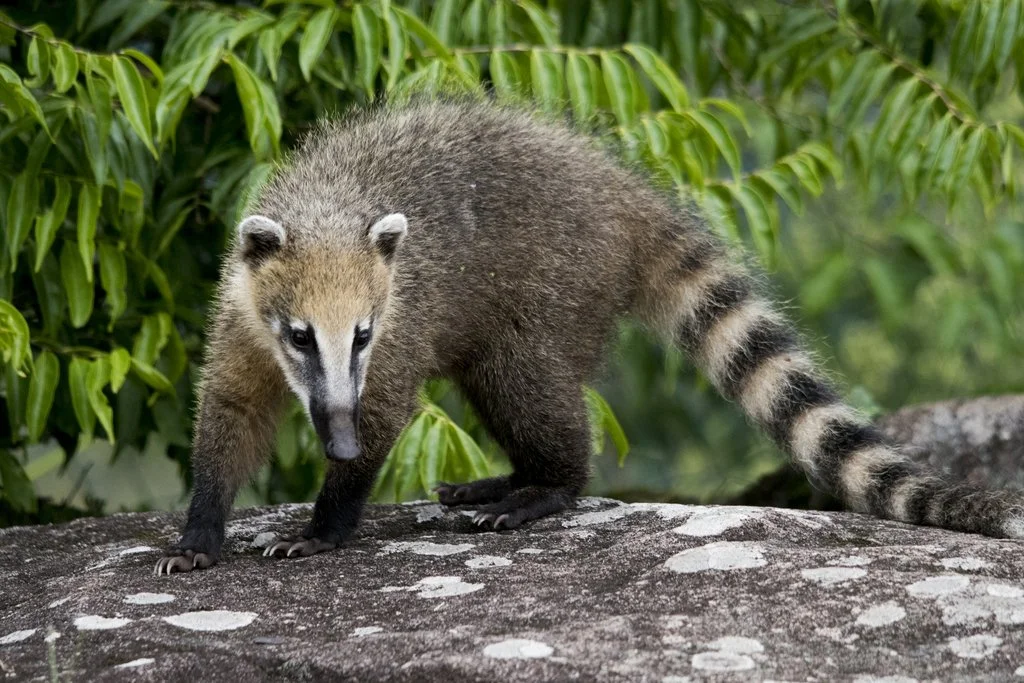
Coati (4)
Many mammals love to roll in smelly things, and coati (Nasua narica) are no exception. Captive coati have been known to rub lemons and other citrus on their fur, and free-ranged coatis have been caught anointing themselves with 4-day-old tayra poop!
Biome: Tropical Rainforest
Friday, February 6, 2026
Maned Wolf (5)
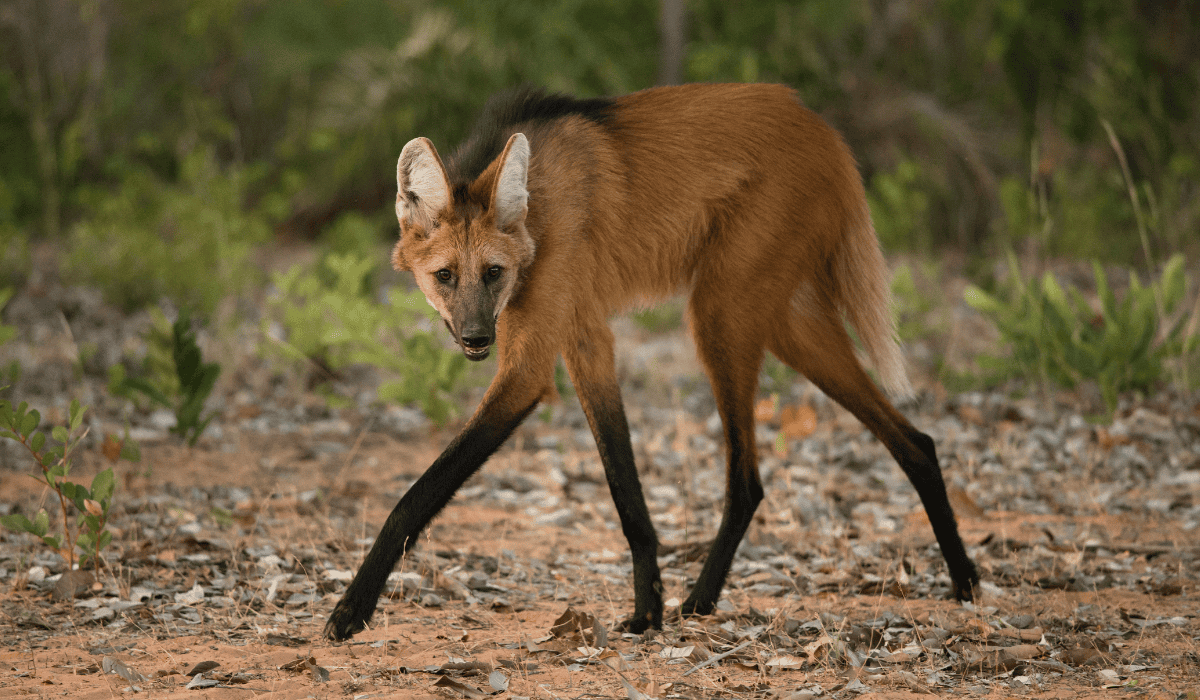
Maned Wolf (Chrysocyon brachyurus) is related to dogs, foxes and jackals, but is not actually a wolf! The canid is has a shaggy golden-red coat and long, looooooong legs. Maned wolf is 36 inches (90cm) at the shoulder and weighs 50 lbs (23kg).
Biome(s): Grasslands
vs.
Battle Site:
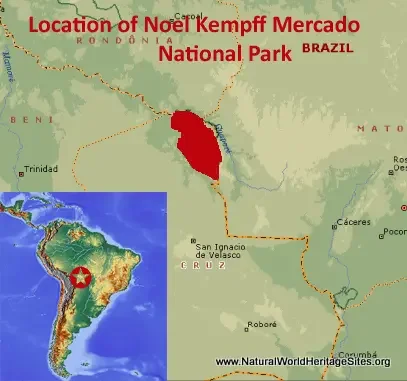
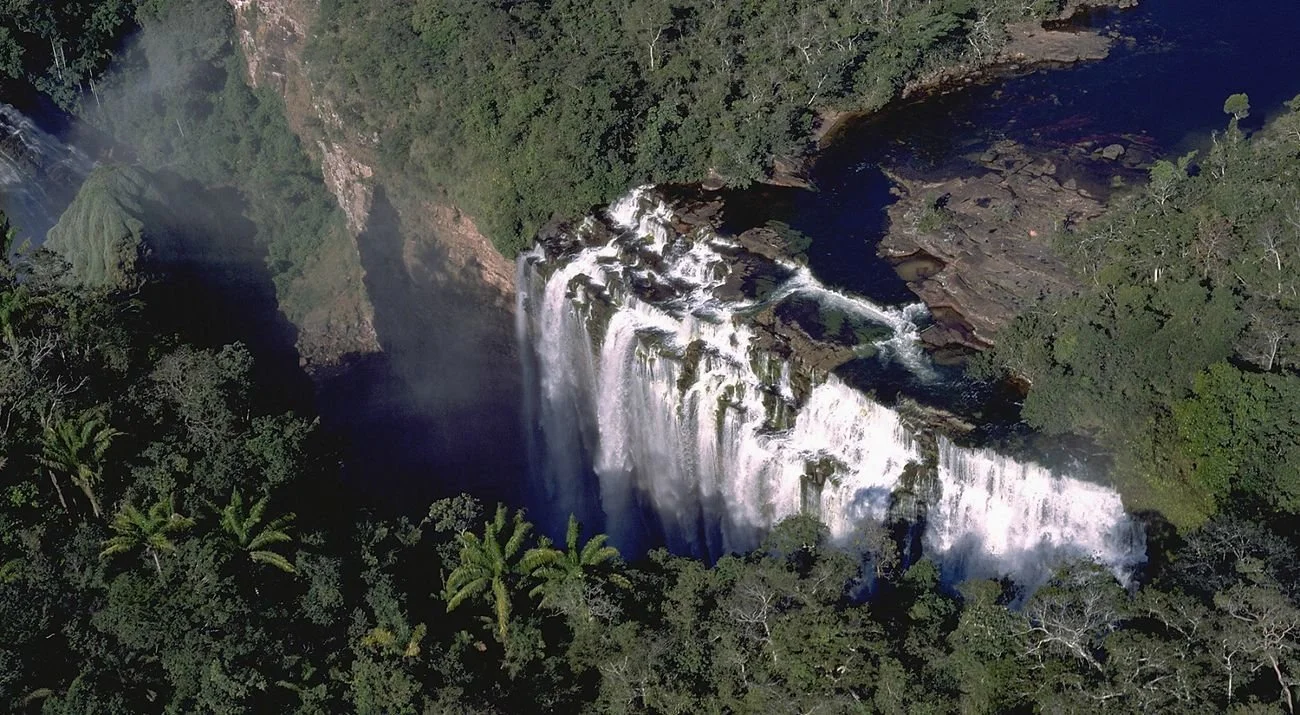
Noel Kempff Mercado National Park, Bolivia
Chacoan Peccary (4)
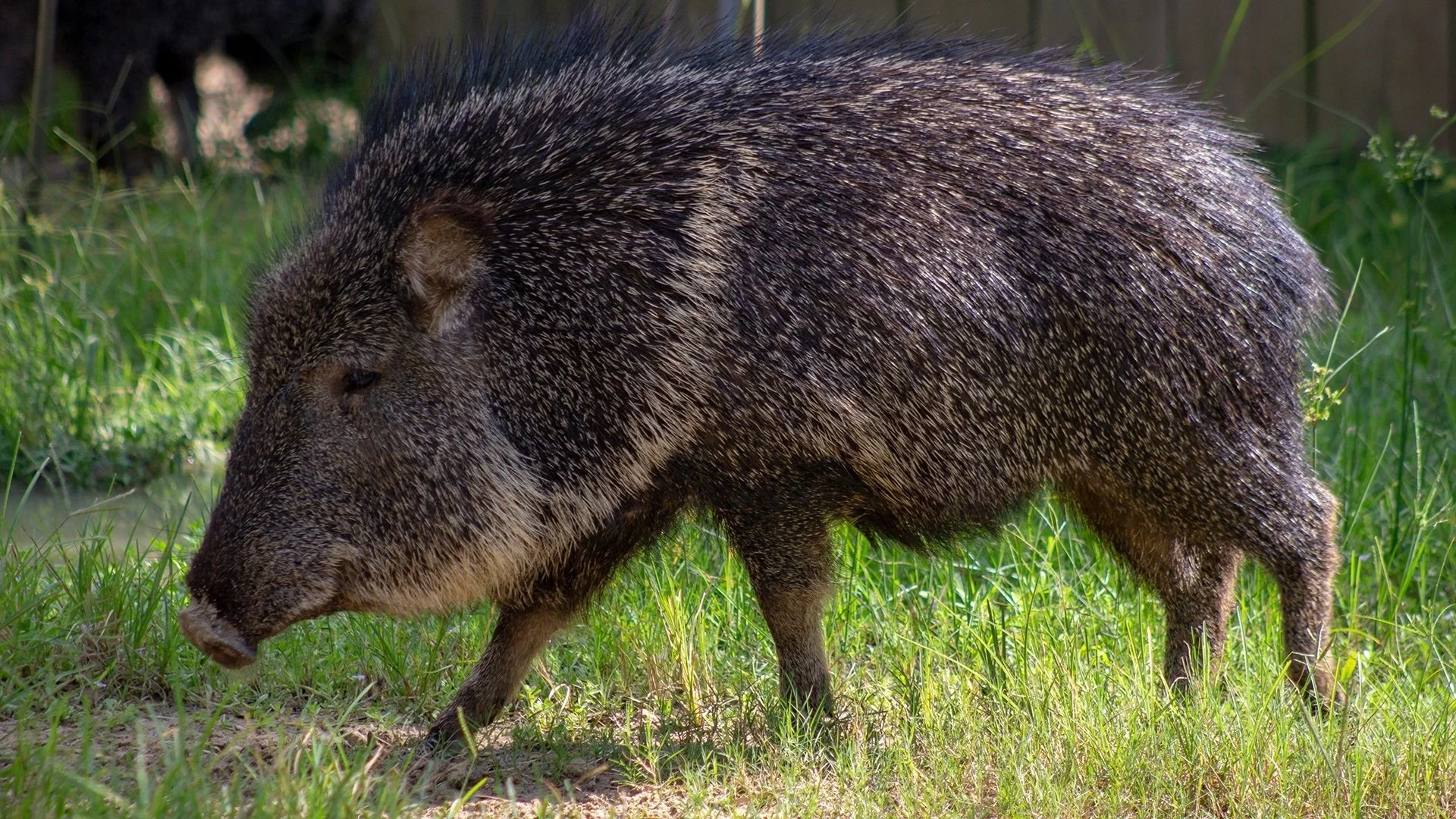
Chacoan Peccary (Parachoerus wagneri) may look like a pig but it's not! Peccary tusks grow straight up and down, while pig tusks curve backward. Peccary weigh up to 40 kg (88 lbs), and have a grizzled gray-brown coat, a black stripe down her back with a white collar across her shoulders.
Biome: Dry Thorn Forests
Thursday, February 5, 2026
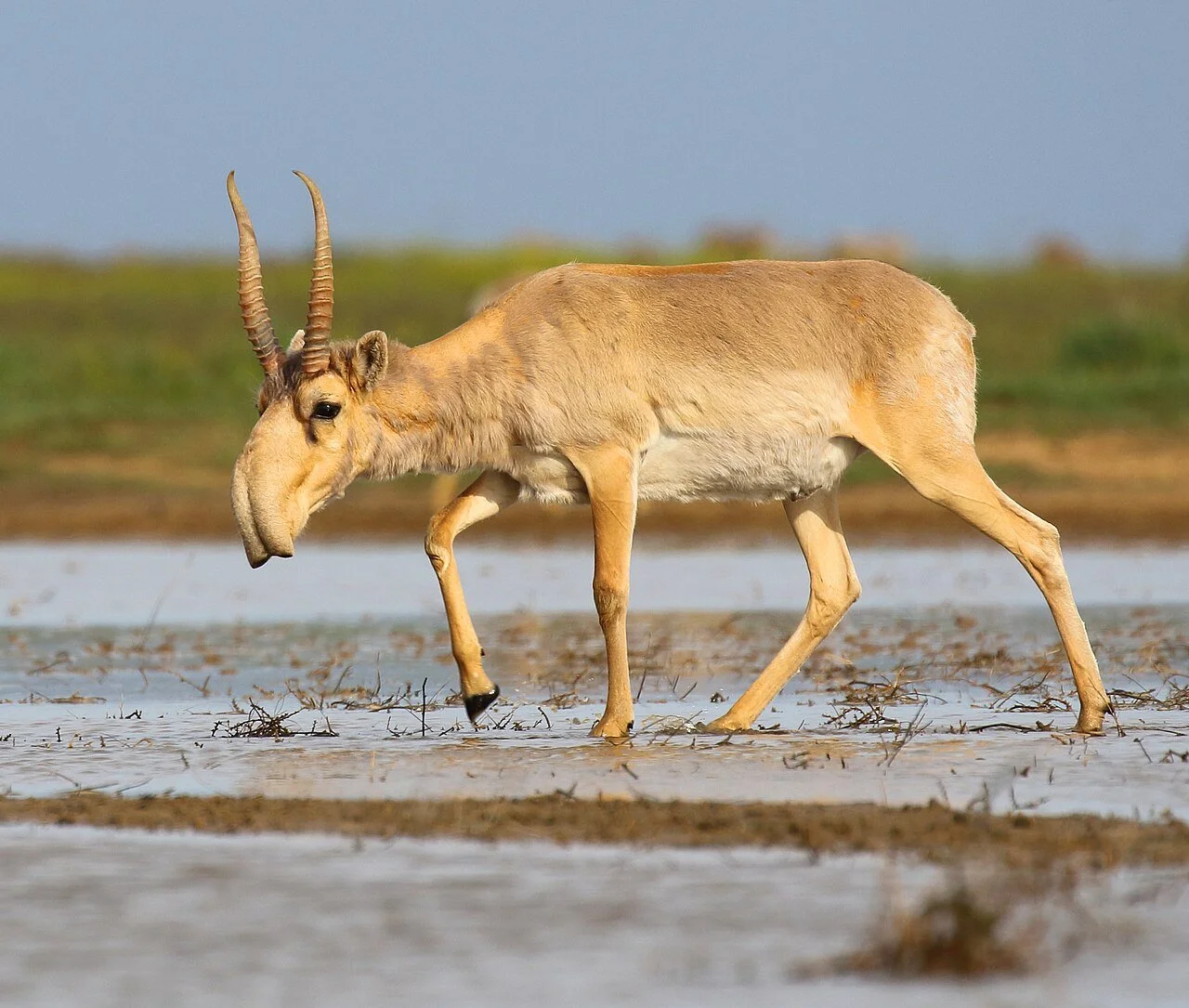
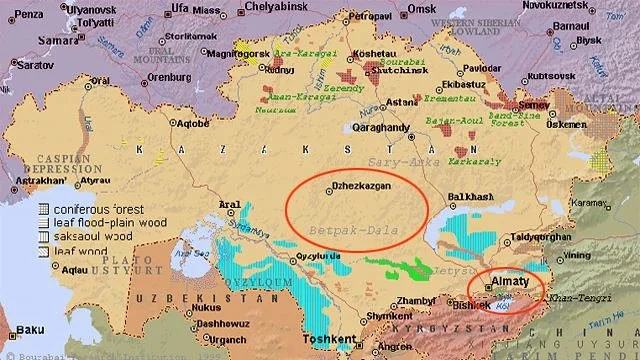
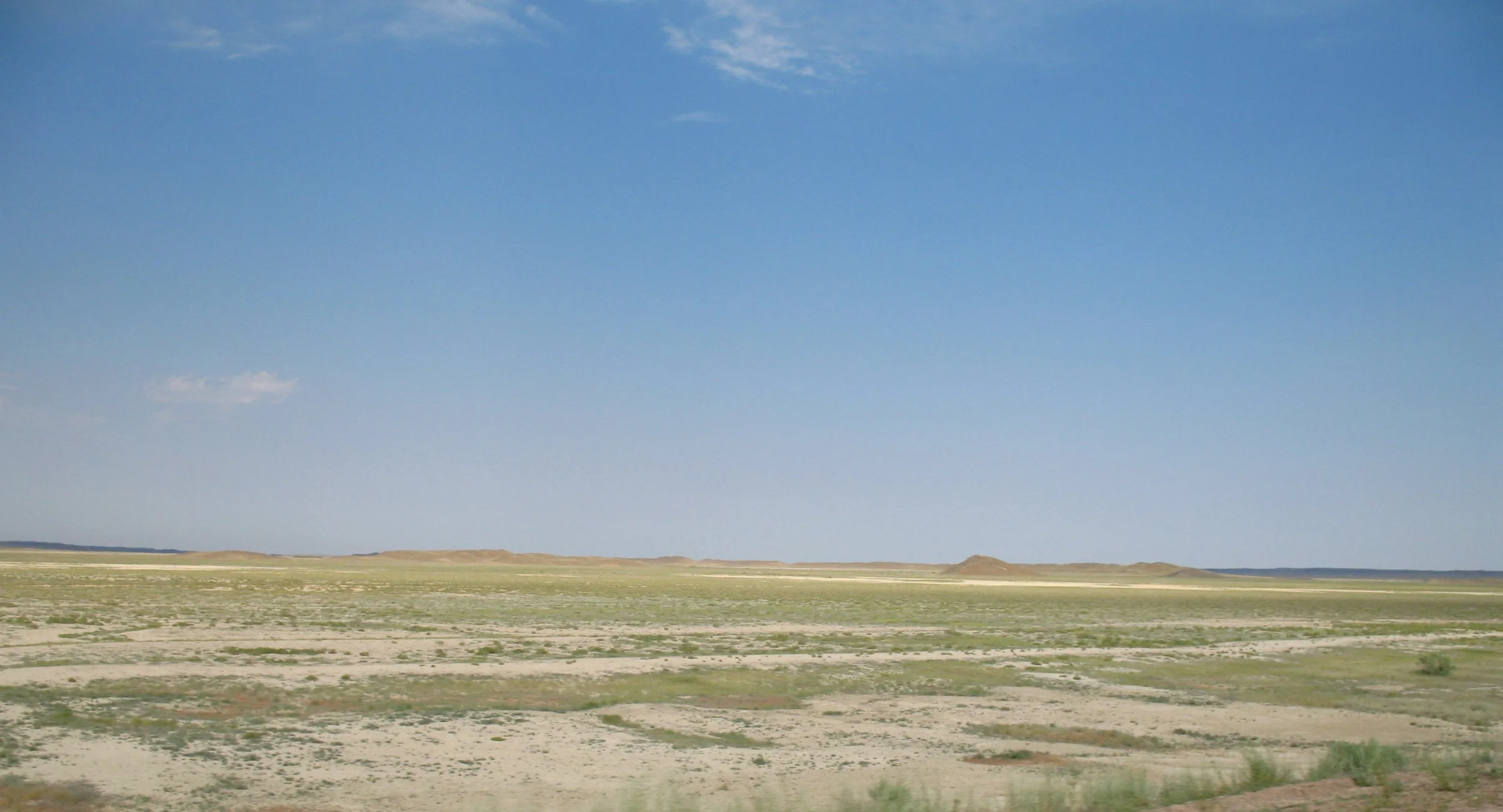
Saiga (3)
Saiga (Saiga tatarica) are a small antelope measuring in at 31.5 inches tall at the shoulder and 99 lbs. Although small in body, they have a lot of face! Males have horns up to 16 inches long.
Biome(s): Semi-desert grasslands
vs.
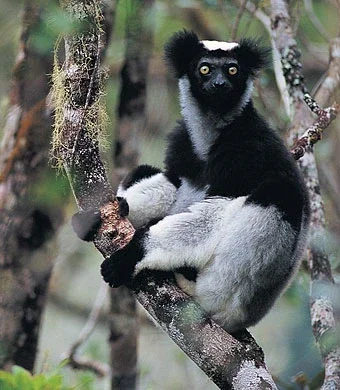
Indri (6)
At 21 lbs and 35 inches long (with a 2 inch tail) the Indri (Indri indri), or Babakota in the native Malagasy language, is the largest living lemur species. Fur colors can vary white, black, gray, brown, but all Indris have tufted black ears and long legs.
Biome: Rainforest
Wednesday, February 4, 2026
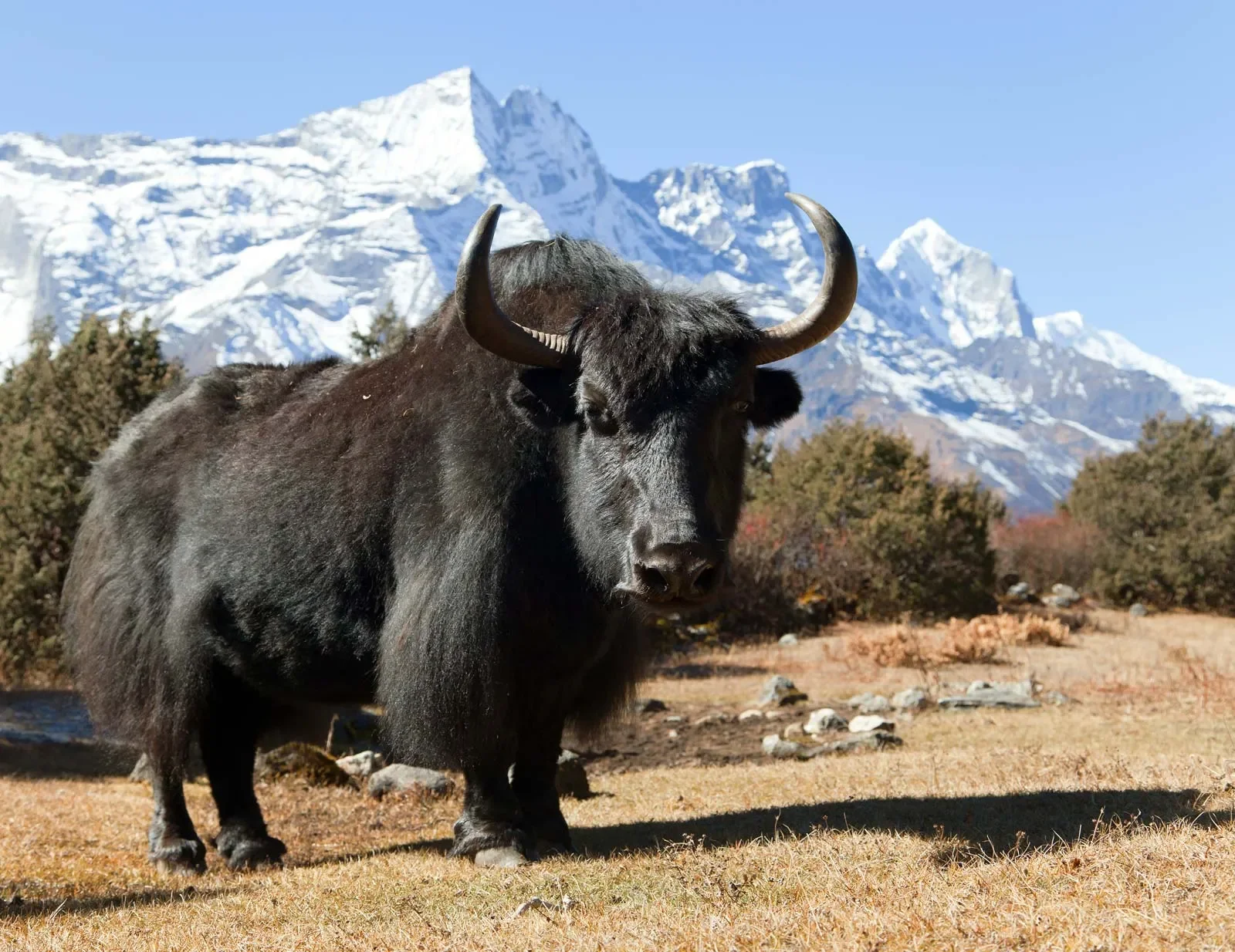
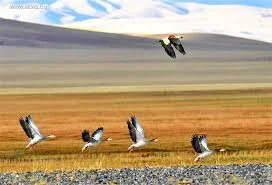
Wild Yak (3)
Wild yak (Bos mutus) are on the Tuxedo Style Division scene and are not a sight to miss. Not that you could miss the huge fluffy dudes. One of the largest extant bovids, yaks are covered in long, shaggy dark hair. They top off their look w/ a lovely grey or gold accent muzzle.
Biome(s): Mountain Grasslands
vs.
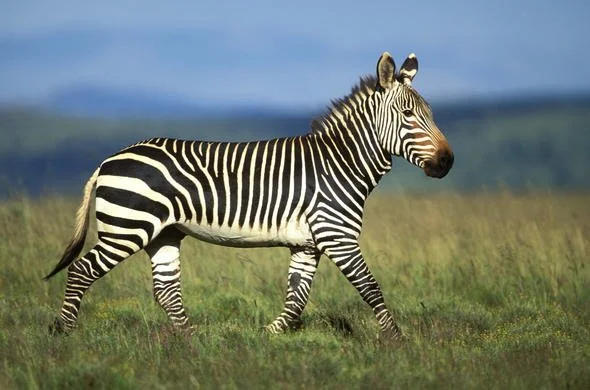
Mountain Zebra (6)
Mountain Zebra (Equus zebra) wears their classic Tuxedo Style Division colors in some tasteful black and white stripes. While the whole herd is dressed to the nines, each individual has their own unique stripe pattern that can help identify who they are and who their family is.
Biome: Grassland
Tuesday, February 3, 2026
Puma (2)
The Puma (Puma concolor) weighs in at 265 lbs , 7'10" long, and almost 3 ft tall! Spanning the Americas, and going by many names- cougar, mountain lion, catamount - these cats reflect Bergmann's rule and tend to be smaller near the equator.
Biome(s): Virtually everywhere but the Arctic!
vs.
Battle Site:
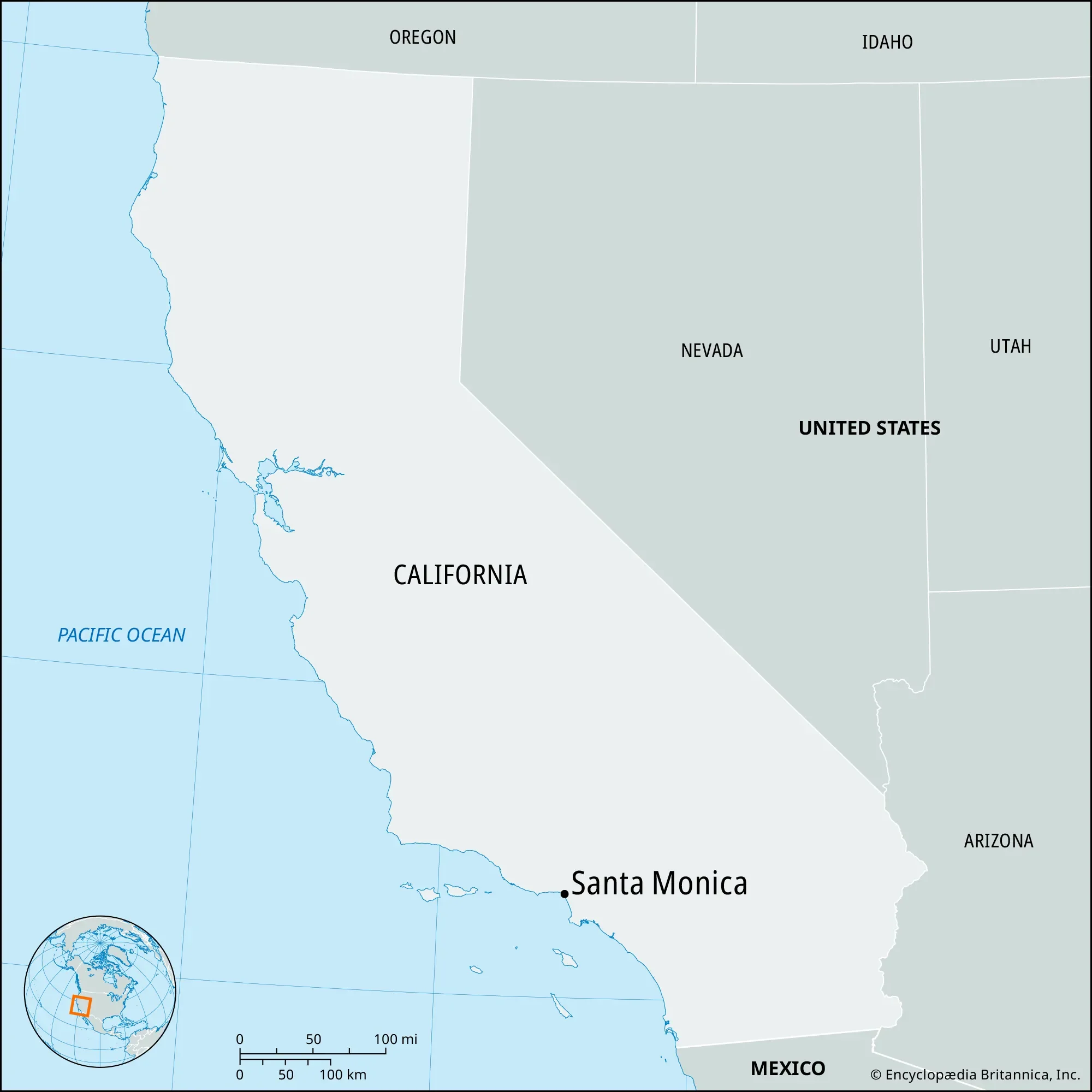
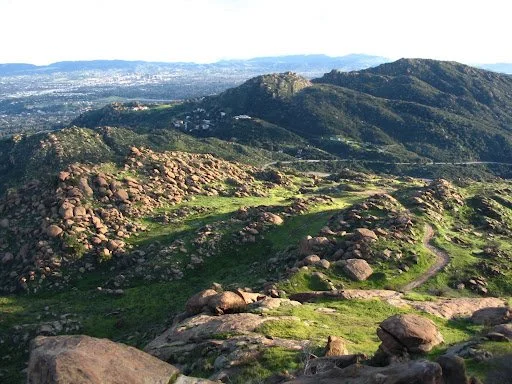
Santa Susana Mountains, Southern California, USA
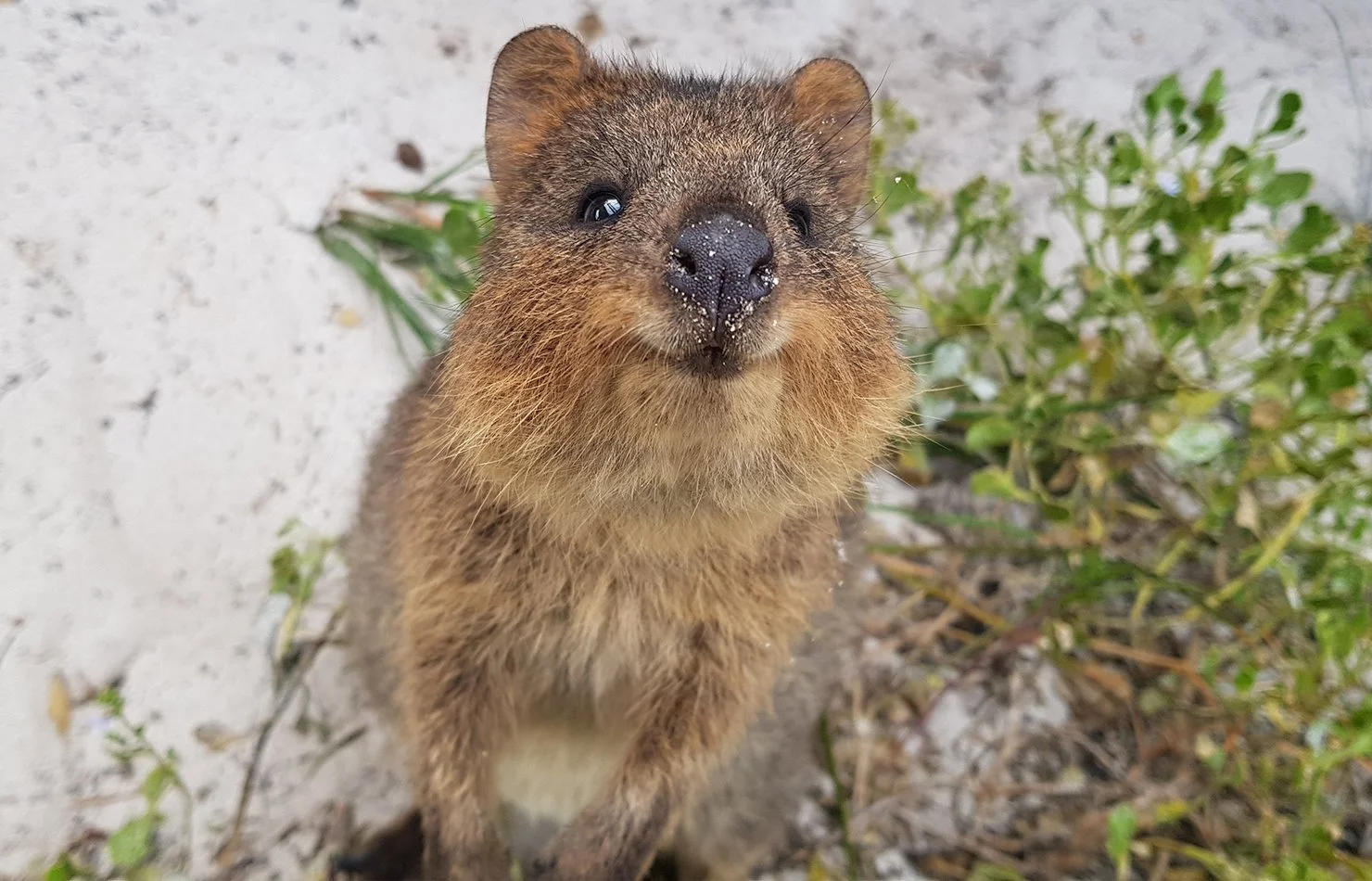
Quokka (10)
The Quokka (Setonix brachyurus) is similarly sized (although rounder!) at 4.2kg. Quokka has a small, stocky body and large, well-developed hind legs like fellow members of the family Macropodidae (think: very small kangaroo). Its fur is a fluffy buff color.
Biome: Temperate Forest
Monday, February 2, 2026
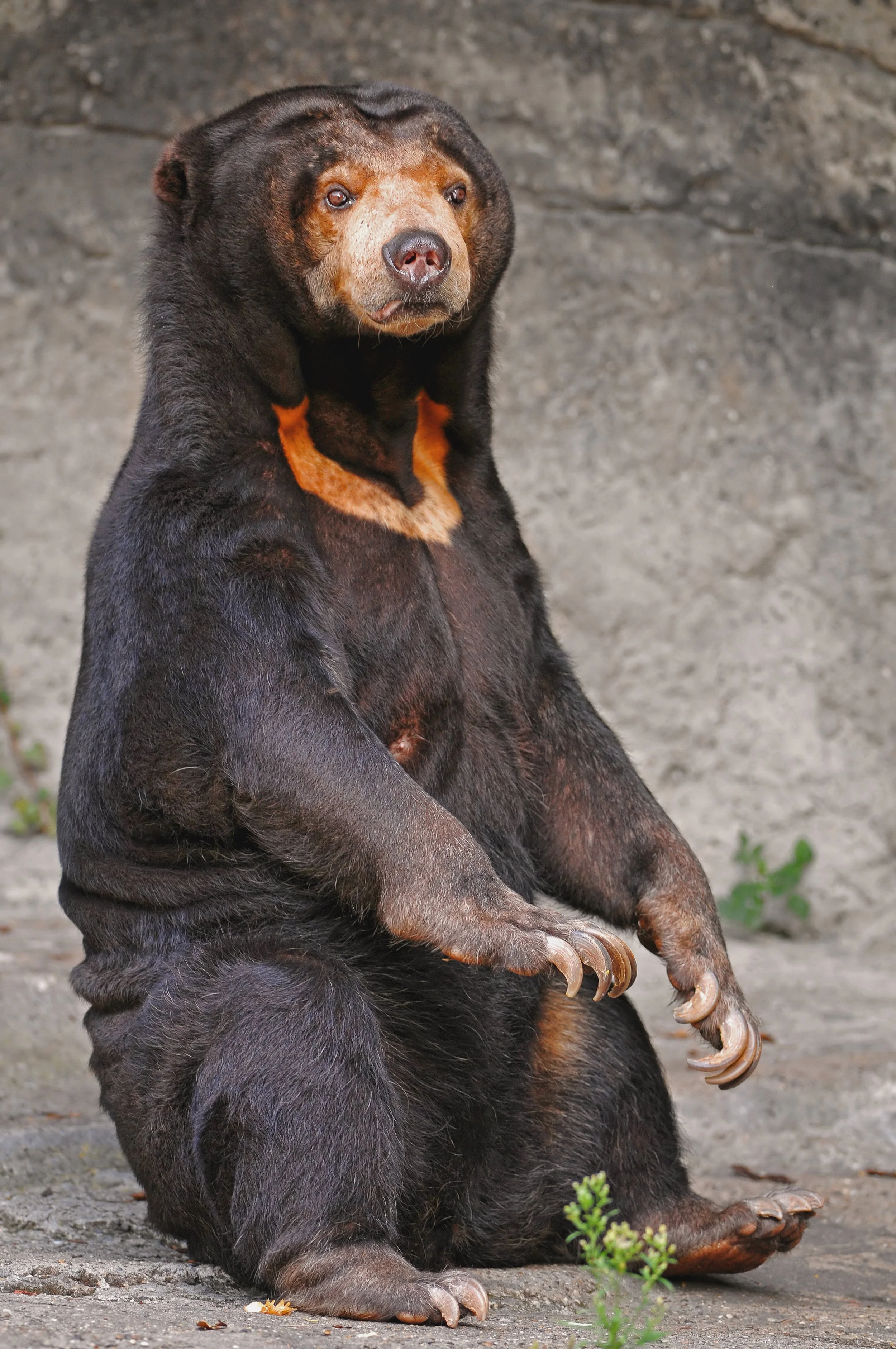
Sun Bear (2)
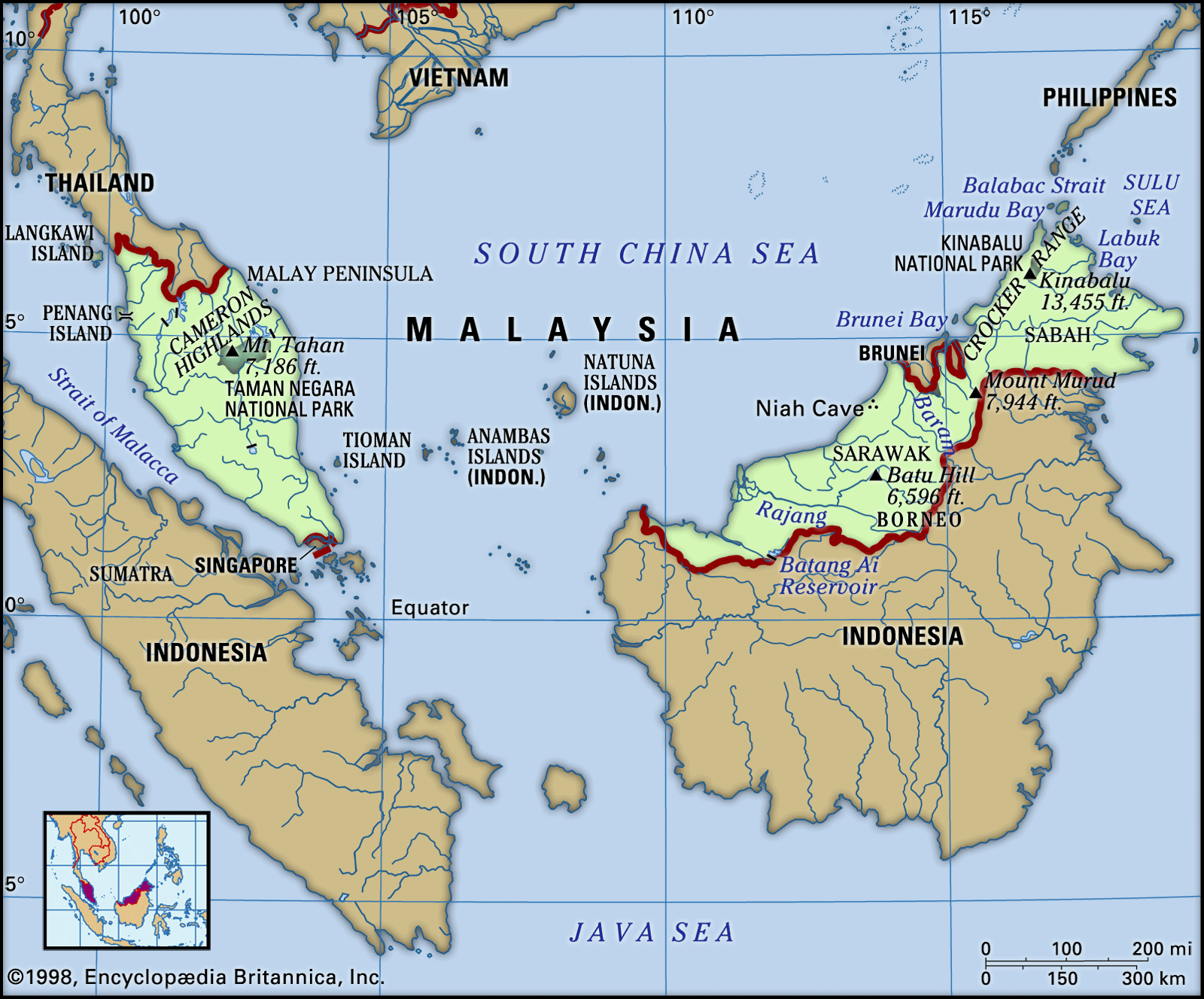
The smallest living ursid, male Sun Bear's (Helarctos malayanus) weigh up to 130lbs (65kg). Their common name comes from the U-shaped chest patch ranging in color from white to dark orange, that looks somewhat like a sunrise/sunset that most bears have.
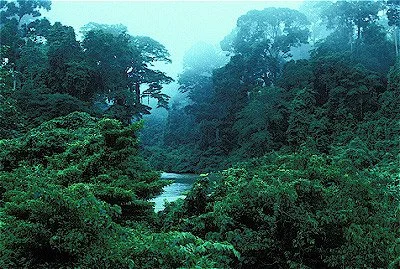
Biome: Tropical Rainforest
vs.
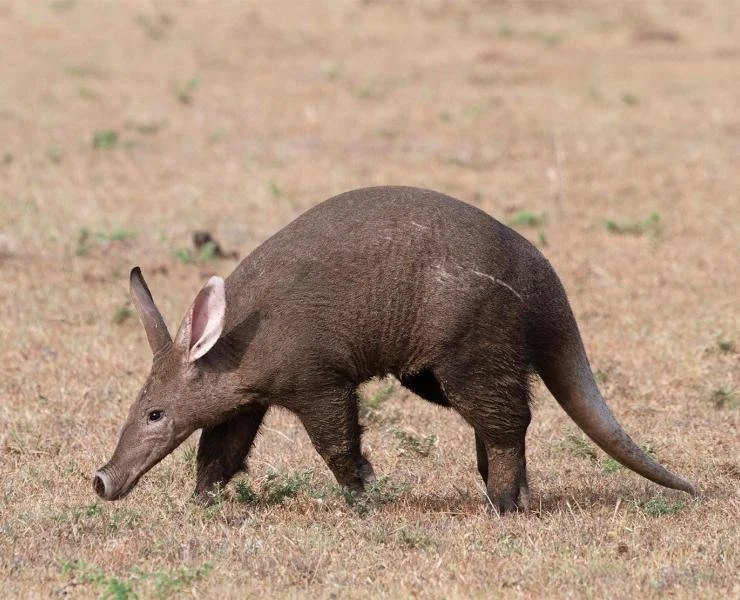
Aardvark (7)
Aardvarks (Orycteropus afer) are fossorial, meaning they are well-adapted for digging, which is one reason they are the only extant member of their Order. Other members of this group were less fit for the digging life, and this may be part of the reason these populations went extinct.
Biome: Savannahs/Grasslands
Friday, January 23, 2026
Spotted-Necked Otter (8)
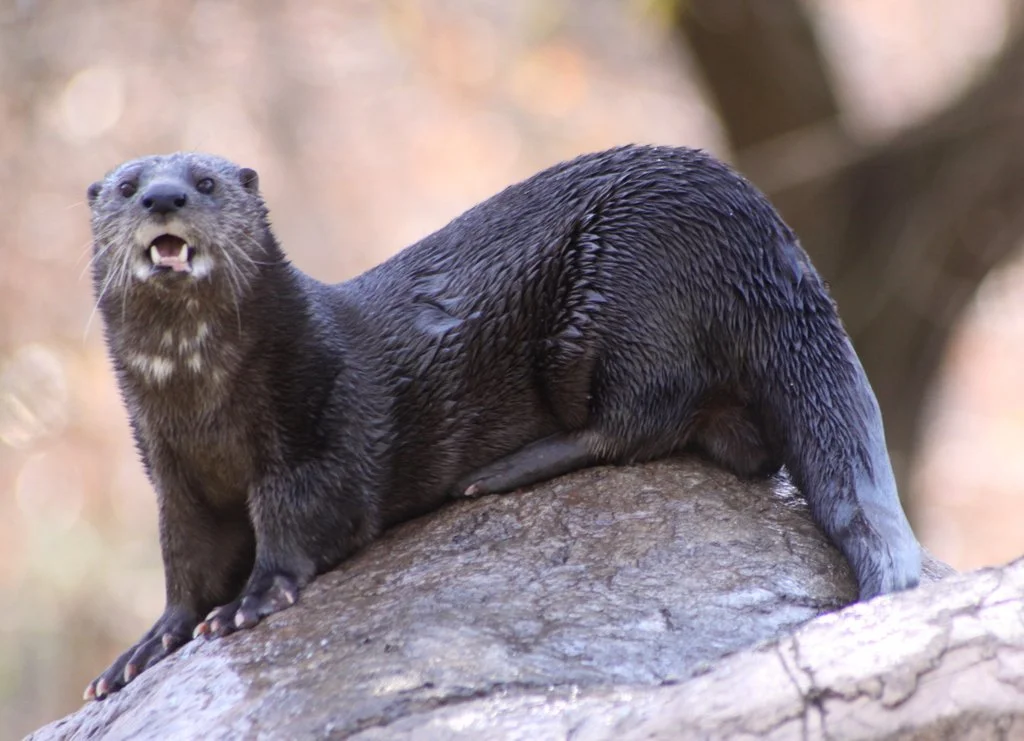
Sleek & slender, the Spotted-necked Otter (Hydrictis maculicollis, previously Lutra) has brown and white splotching on their throat and upper chest, with the rest of their coat various browns from reddish to chocolate.
Biome: Freshwater in tropical biomes
vs.
Tayra (9)
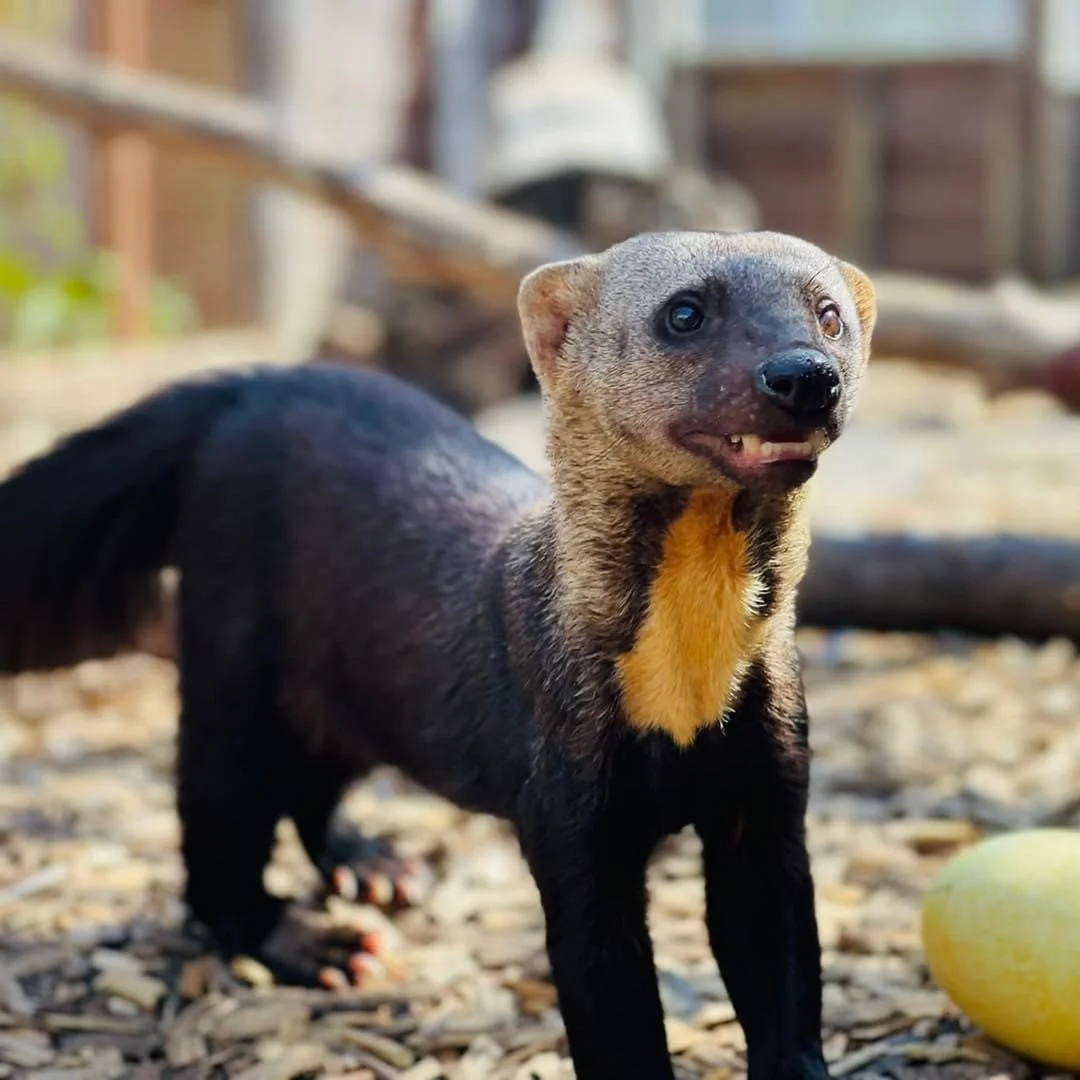
About the size of a medium-small dog, the Tayra (Eira barbara) is a long-legged, long-necked weasel with a robust head and bushy tail. Tayra has a brown body, with a lighter color on its head, and a diamond-shaped patch on its throat.
Biome: Tropical and subtropical forests
Thursday, January 22, 2026
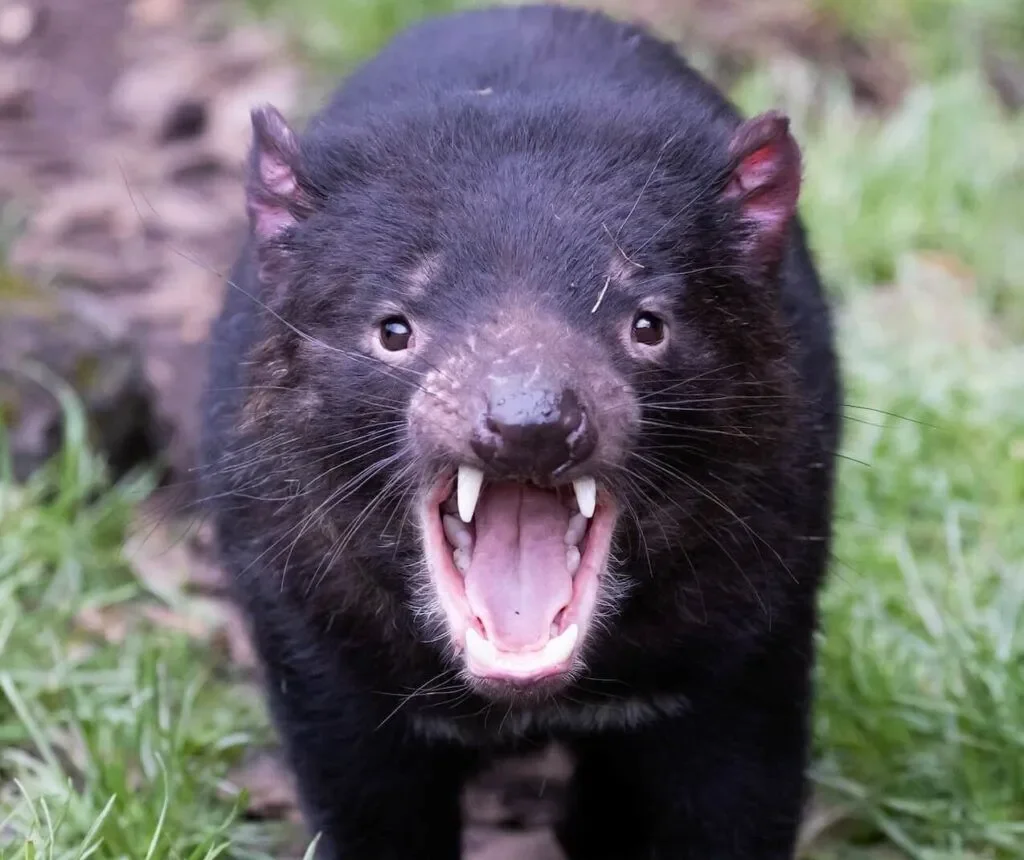
Tasmanian Devil (8)
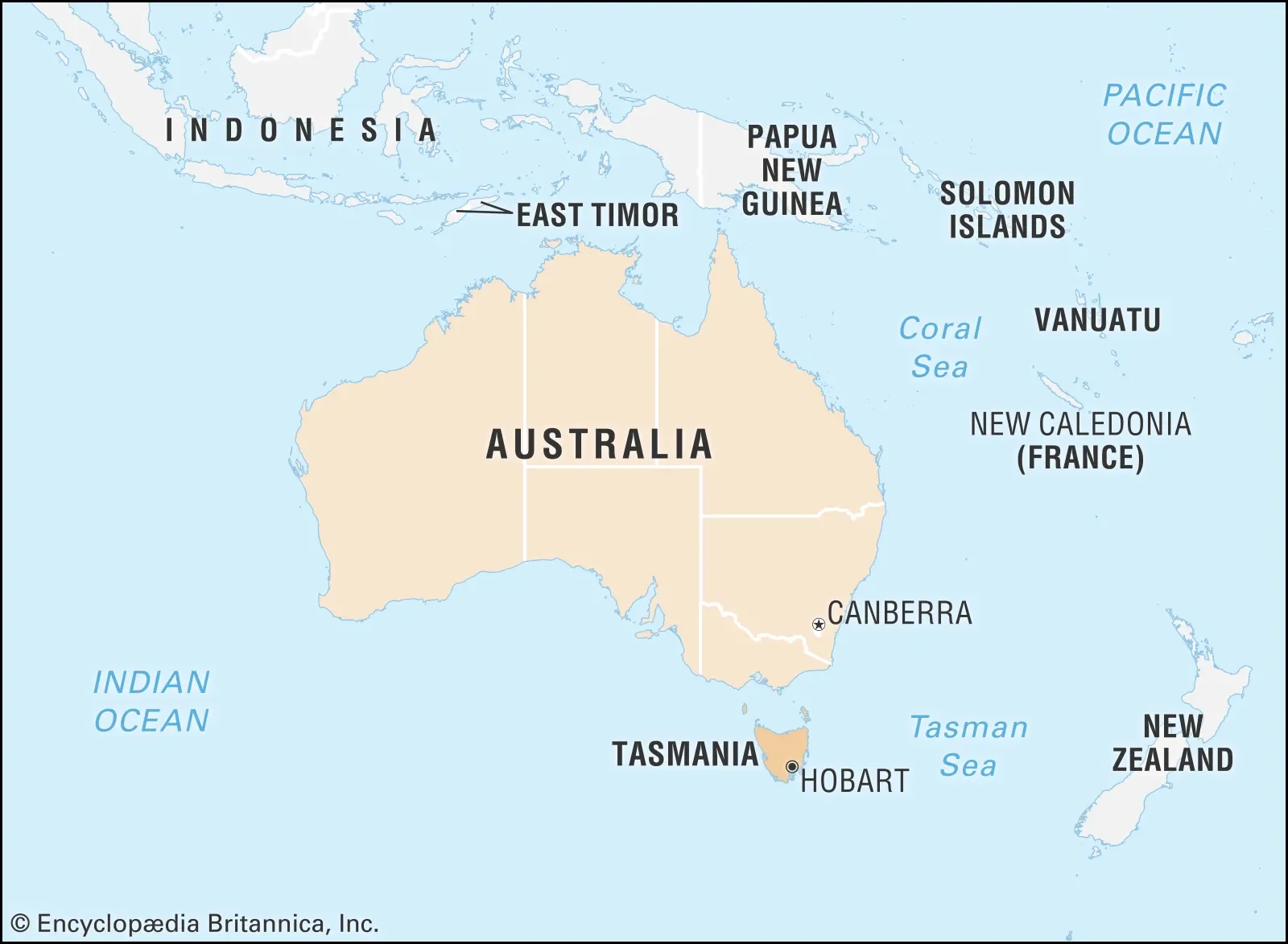
Once living in much of Australia but now only found in Tasmania, the Tasmanian Devil (Sarcophilus harrisii) is a stocky marsupial carnivore- their black coat has a slash of white across the chest and some white spots on the torso. The biggest males can be over 26 lbs.
Biome: Temperate Forests
vs.
Battle Site:
Hobart, Tasmania
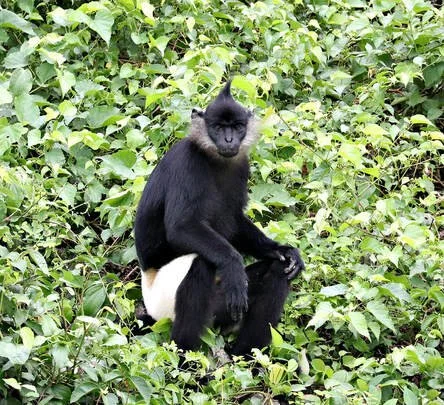
Delacour’s Langur (9)
Delacour's Langur (Trachypithecus delacouri) is a black and white leaf monkey. Most of their fur is black, but the monkey's white fur makes it look like it's rocking some white bicycle shorts. The biggest males can tip the scales at 23 lbs.
Biome: Karst Forest

Wednesday, January 21, 2026
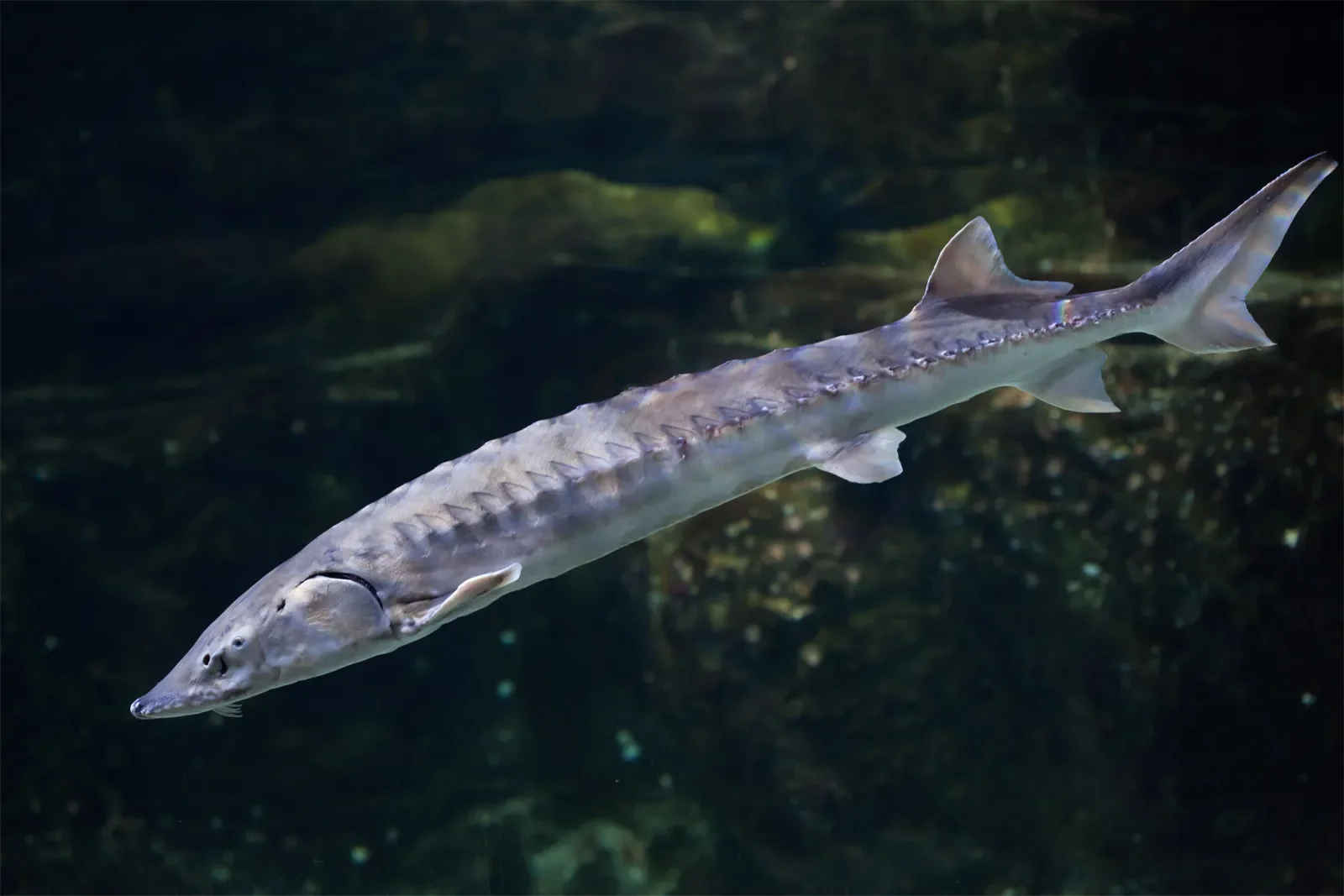
Starry Sturgeon (6)
Clocking in at a whopping 180lbs (364 stoats) and 7.2feet (6.5 stoats) long, the Starry Sturgeon (Acipenser stellatus) is a real aquatic heavyweight. Maxing out at 29 years old, these fish are also older and wiser, making for a powerful combatant. Sturgeons as a group are known for their elongated snoots (formally "rostra"). They contain electroreceptors, which allow them to sense electric fields in the water! Like their cousins the paddlefish, Sturgeon use these electroreceptors to tell when dinner is nearby!
Biome: Marine
vs.
Battle Site:
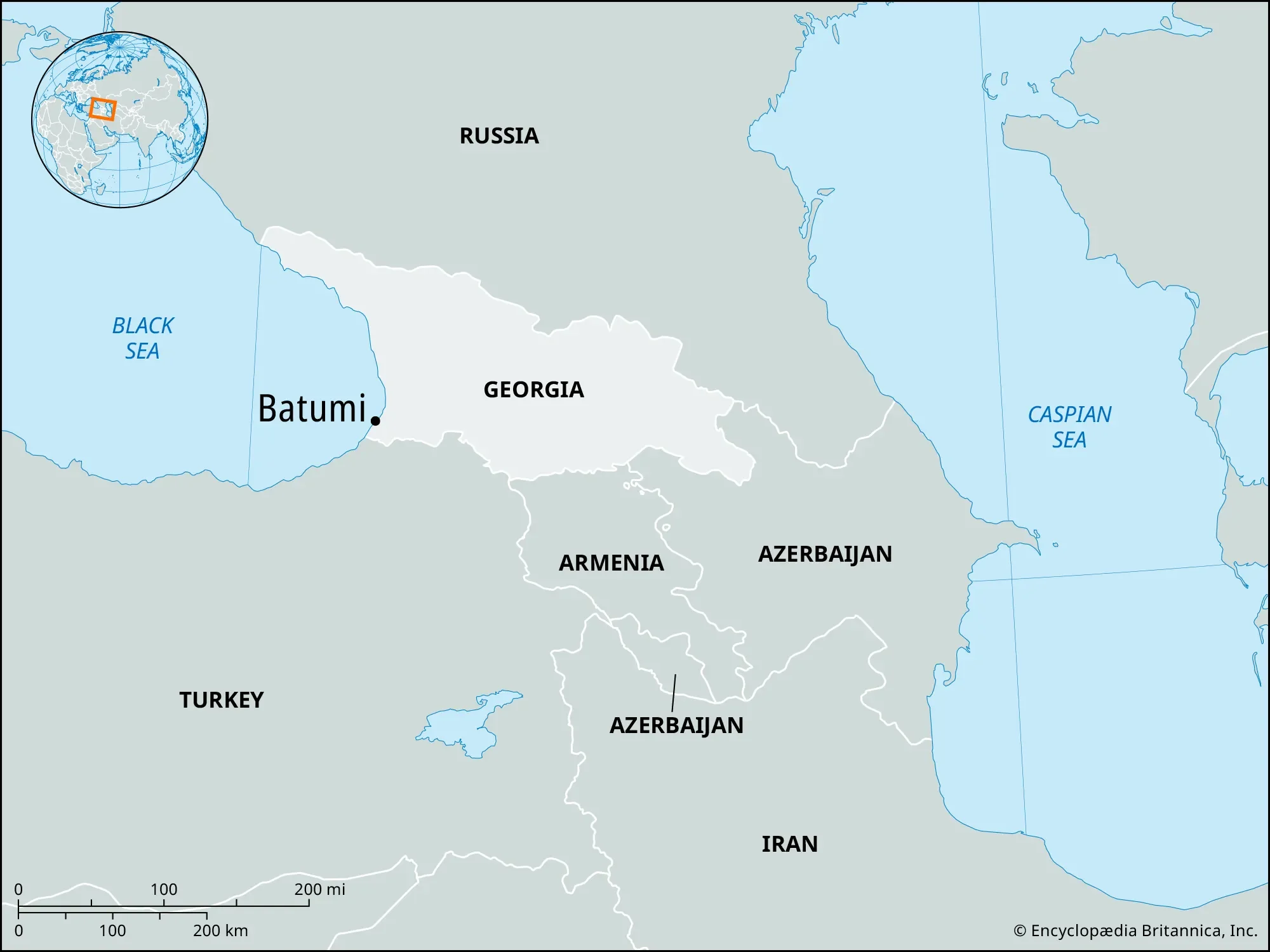
Off the coast of Batumi, Georgia (Eastern Europe)
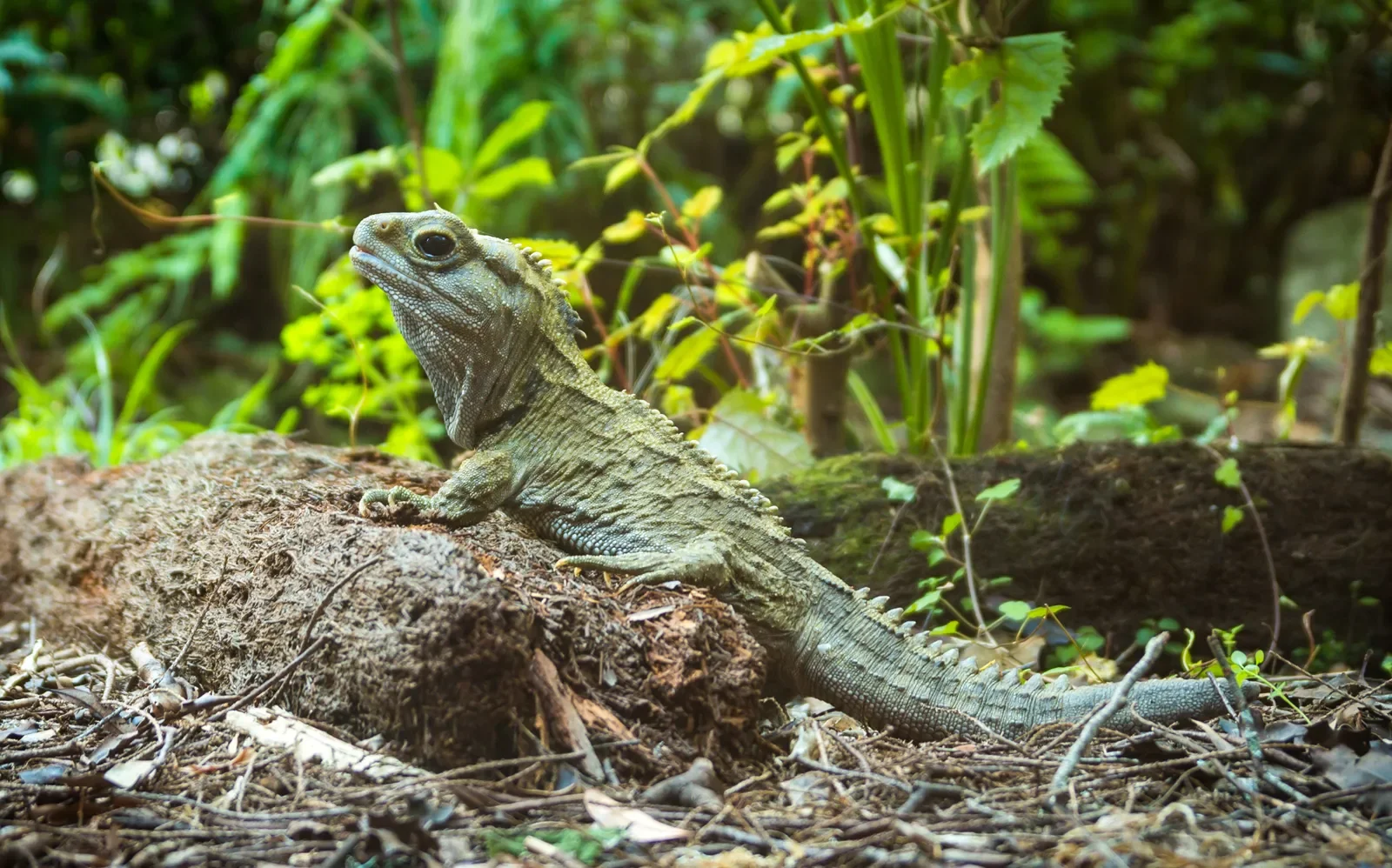
Tuatara (11)
Even though Tuatara (Sphenodon punctatus) look like lizards, they are in fact the only living member of the order Rhynchocephalia, which means "beak head"! The name Tuatara comes from a Māori word meaning "peaks or spikes on the back." This reptile tips the scales at 2.2 lbs.
Biome: Temperate Forest

Tuesday, January 20, 2026
Gelada (8)
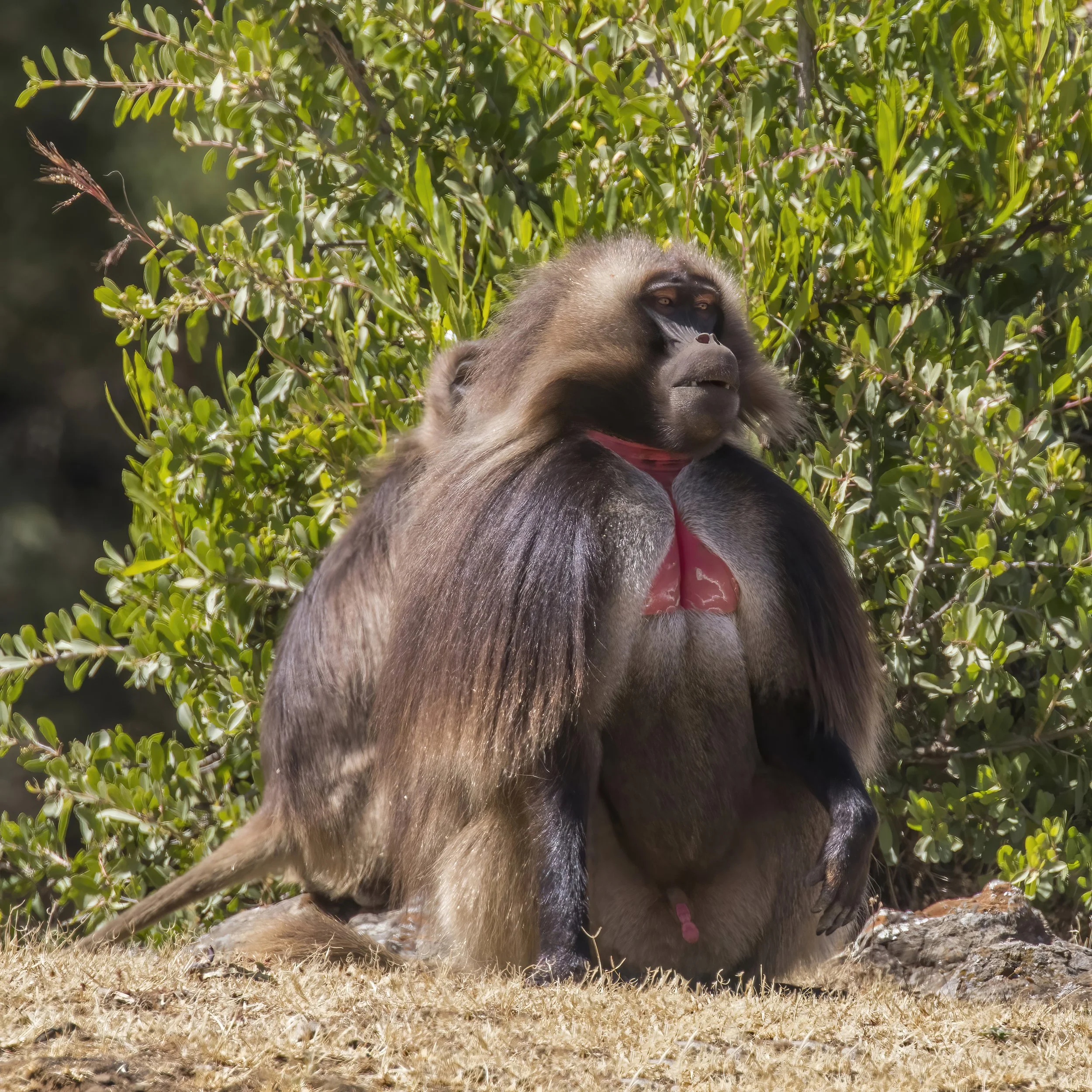
The gelada monkey (Theropithecus gelada) has a tawny, brown shaggy coat- with males flaunting an especially impressive mantle. Intensely herbivorous, these primates spend their days hard at work in the grass mines using nimble fingers to select the best grass blades for eating.
Biome: Grassland
vs.
Battle Site:
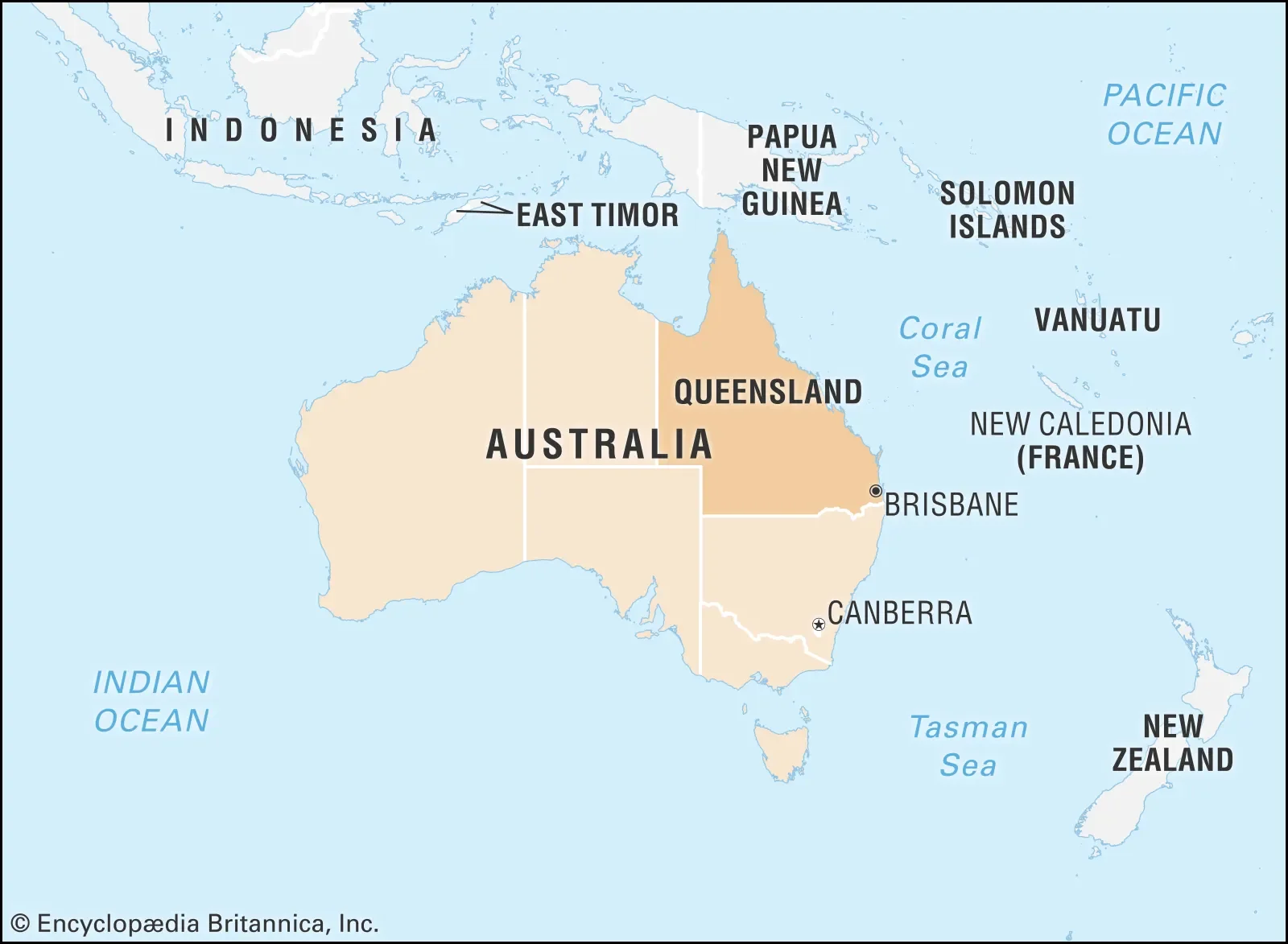
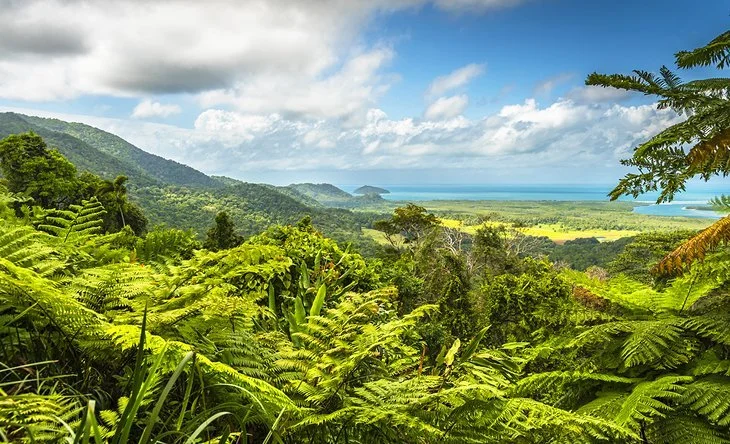
Queensland, Australia
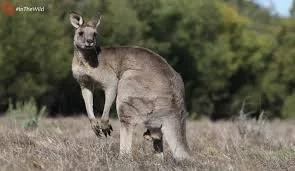
Eastern Grey Kangaroo (9)
Eastern Grey Kangaroos (Macropus giganteus) a mostly grey-furred mammal. In terms of convergent evolution, they are the marsupial equivalent of a deer: eating grass, widely distributed, living in many different habitats.
Biome: Grasslands and Forests
Friday, January 16, 2026
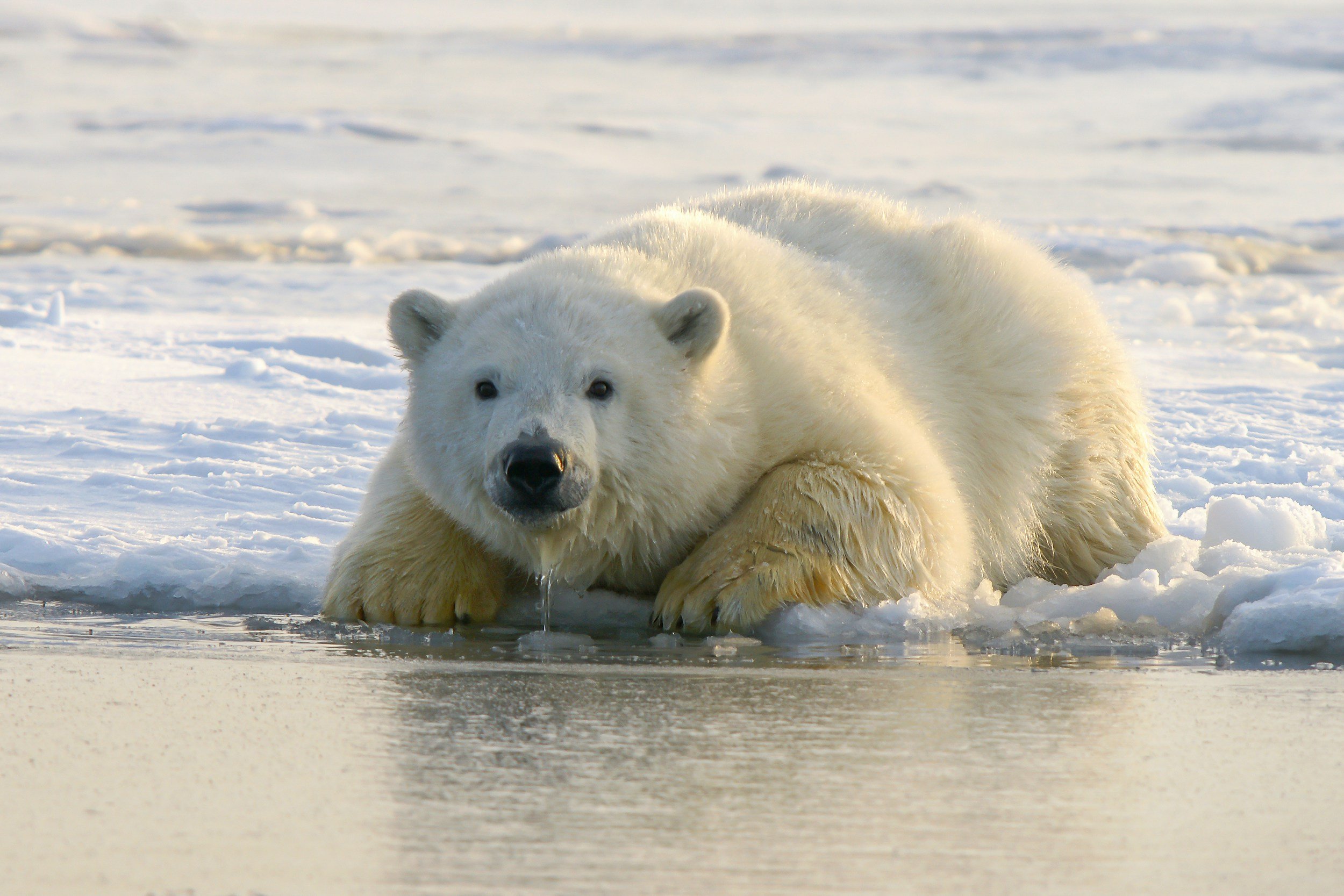
Polar Bear (1)
Polar Bears (Ursus maritimus) have translucent, hollow hair that keeps them warm like a puffy jacket. Their hair appears white because it reflects visible light and provides camouflage against snow and sea ice. Their eyes, nose, lips, and skin are black.
Biome: Arctic
vs.
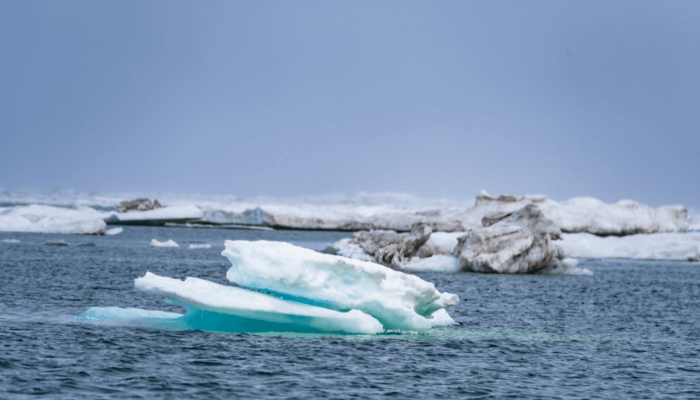
Battle Site:
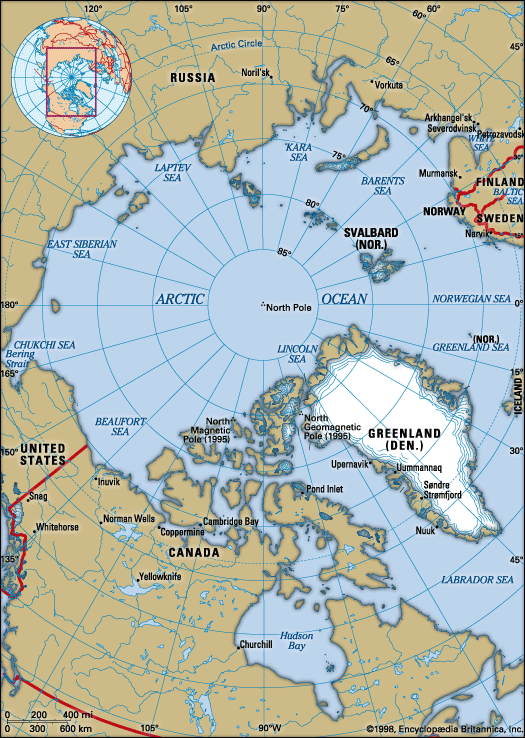
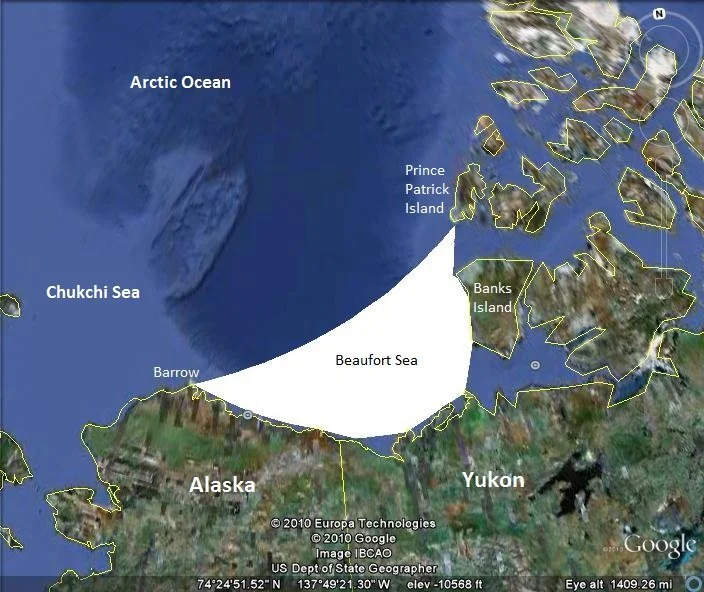
Ice Habitat of the Beaufort Sea, Arctic Ocean
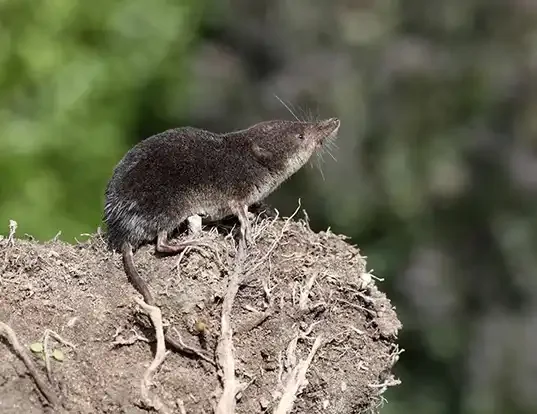
Eurasian Water Shrew (16)
The Eurasian water shrew (Neomys fodiens) has dark fur with a white underside and their teeth are red-tipped from iron in the enamel #SoMetal. This adaptation protects teeth from wear and tear during crushing and grinding.
Biome: Riparian (on the bank of a river)/Wetland
Thursday, January 15, 2026
Addax (1)
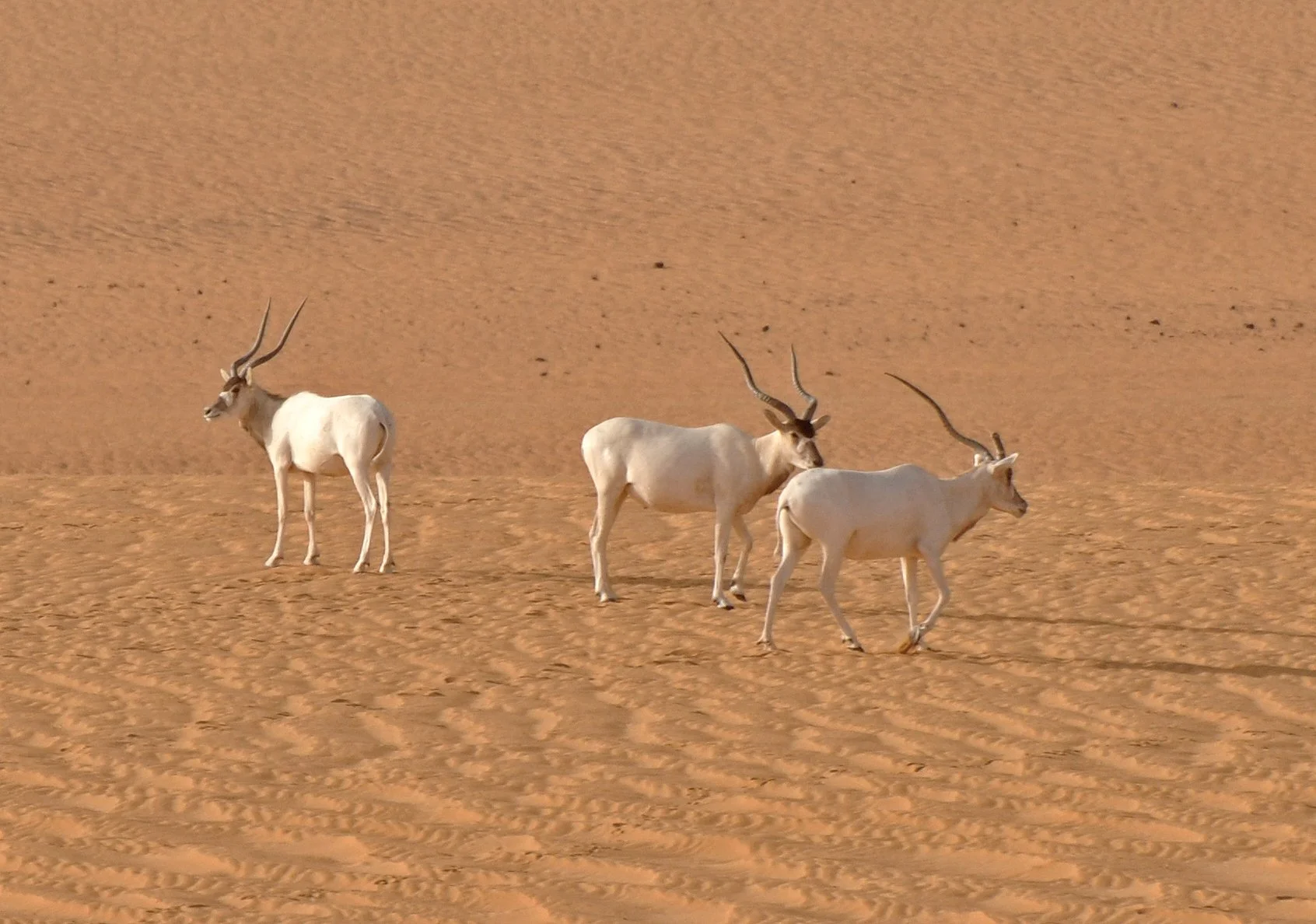
The largest male Addax (Addax nasomaculatus) tips the scales at 275 lbs with 3 spiral twists of his 3.5 foot horns. Females are a bit smaller than the males and also wield spiral horns.
Biome: Desert
vs.
Battle Site:
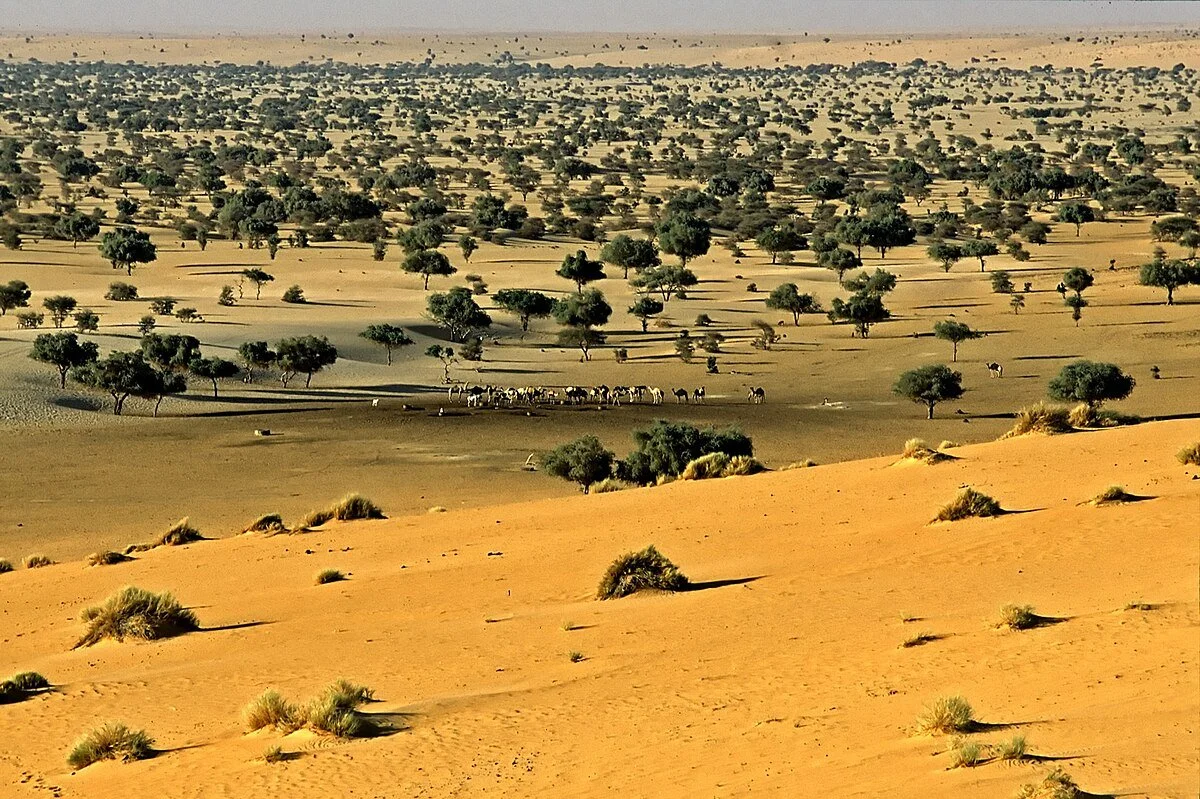
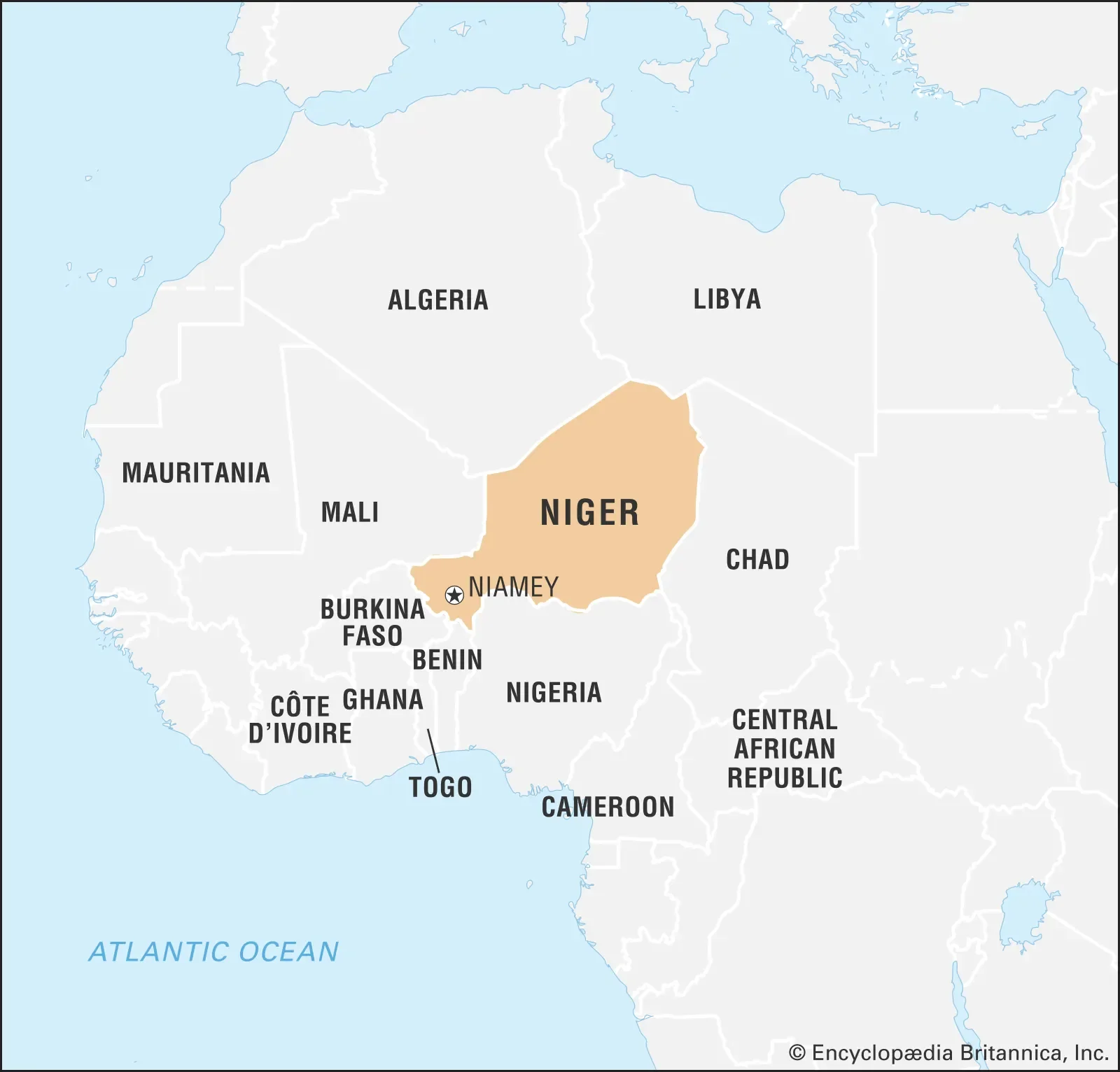
Termit Massif Reserve, Niger
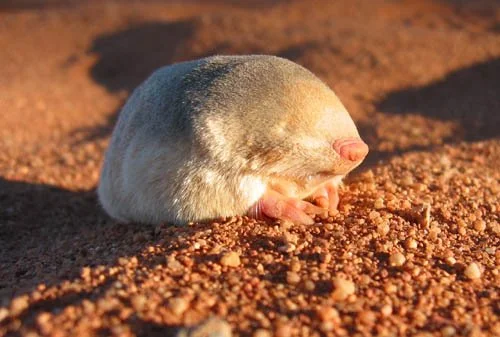
Grant’s Golden Mole (16)
Although the smallest of the golden moles, Grant's Golden Mole (Eremitalpa granti) does have the longest, softest fur of pale grayish-yellow with a silvery sheen.
Biome: Desert
Wednesday, January 14, 2026
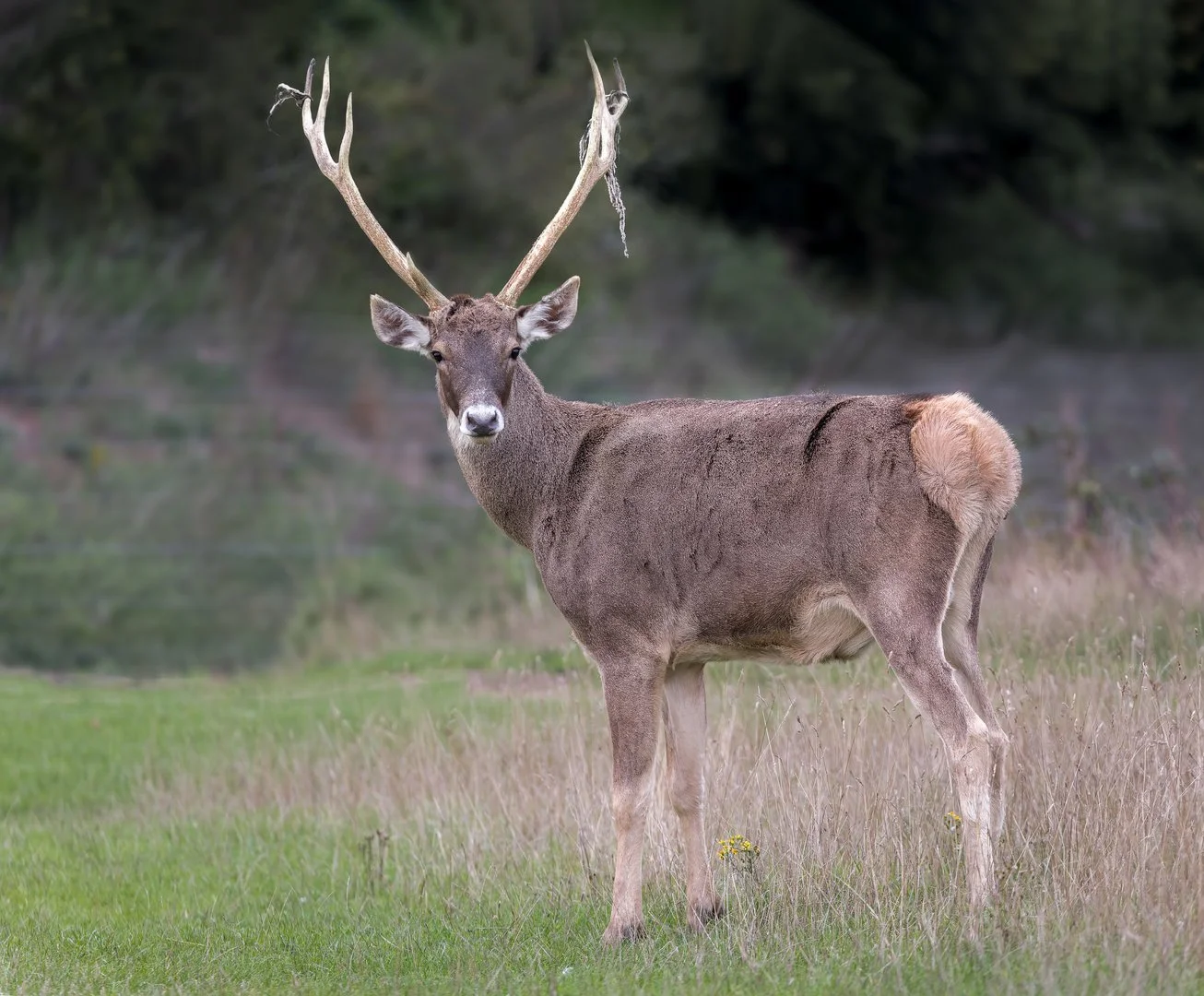
Thorold’s Deer (1)
The "large, robust, but short-legged" Thorold's Deer (Cervus albirostris) has gray-brown fur with large, pointed ears and a reddish buff rump and fur grows twice a thick during the cold months.
Biome: Grasslands
vs.
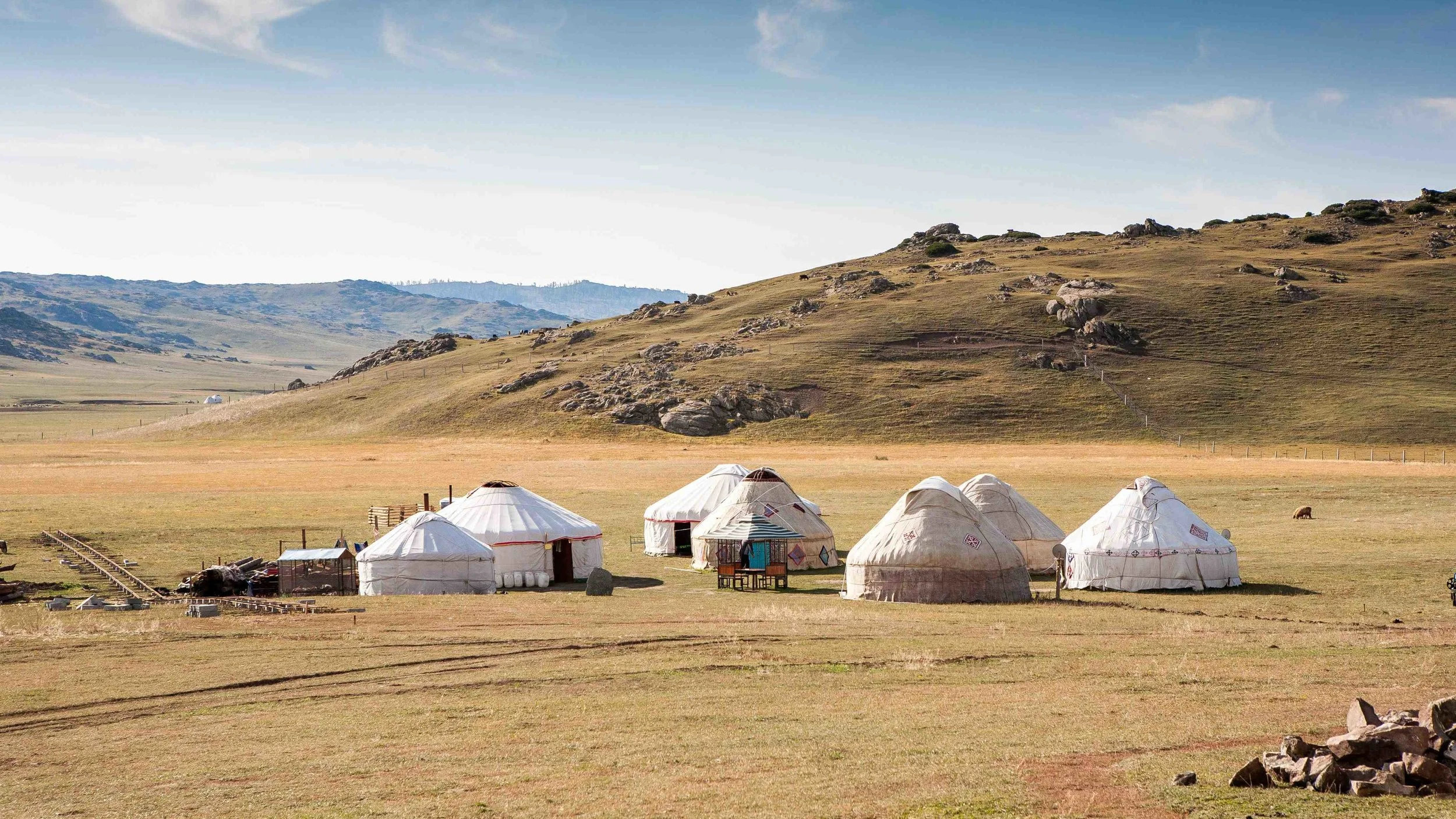
Battle Site:
Xinjiang, China
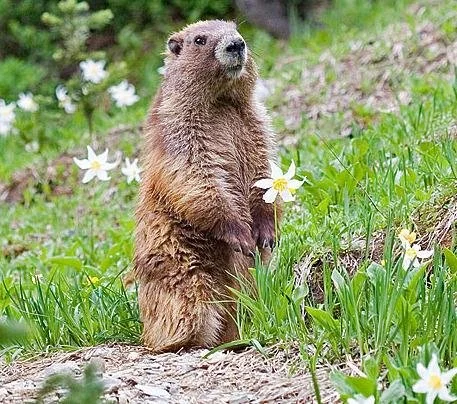
Olympic Marmot (16)
Olympic marmots (Marmota olympus) are a cat-sized rodent, adults with thick brown and white fur coats for warmth, with young having a greyer fur color. Olympic Marmots molt their fur twice a year, once in June and again during hibernation.
Biome: Alpine Tundra

Tuesday, January 13, 2026
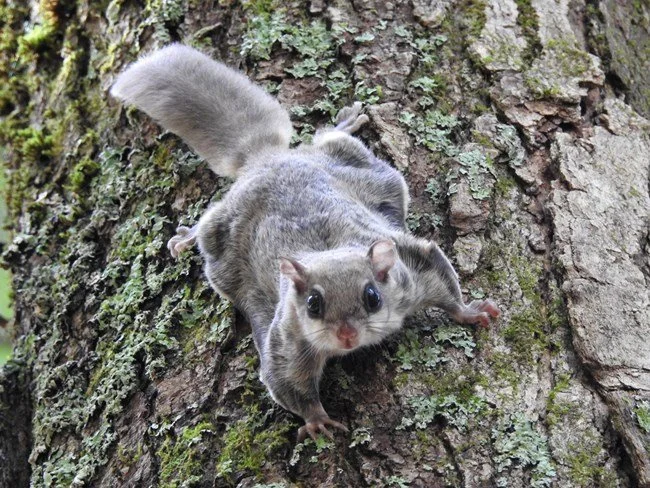
Northern Flying Squirrel
Northern Flying Squirrels (Glaucomys sabrinus), living throughout much of North America, have large black eyes adapted for night vision, with grey and tan fur with white and grey tummies. These tree rodents can tip the scales at 1/3rd of a pound. Not truly able to FLY, instead this rodent is able to glide from a furry membrane that extends from "the forelegs to the hindlegs from ankle to wrist" known as a patagium.
Biome: Taiga (Boreal Forest)
vs.
Battle Site:
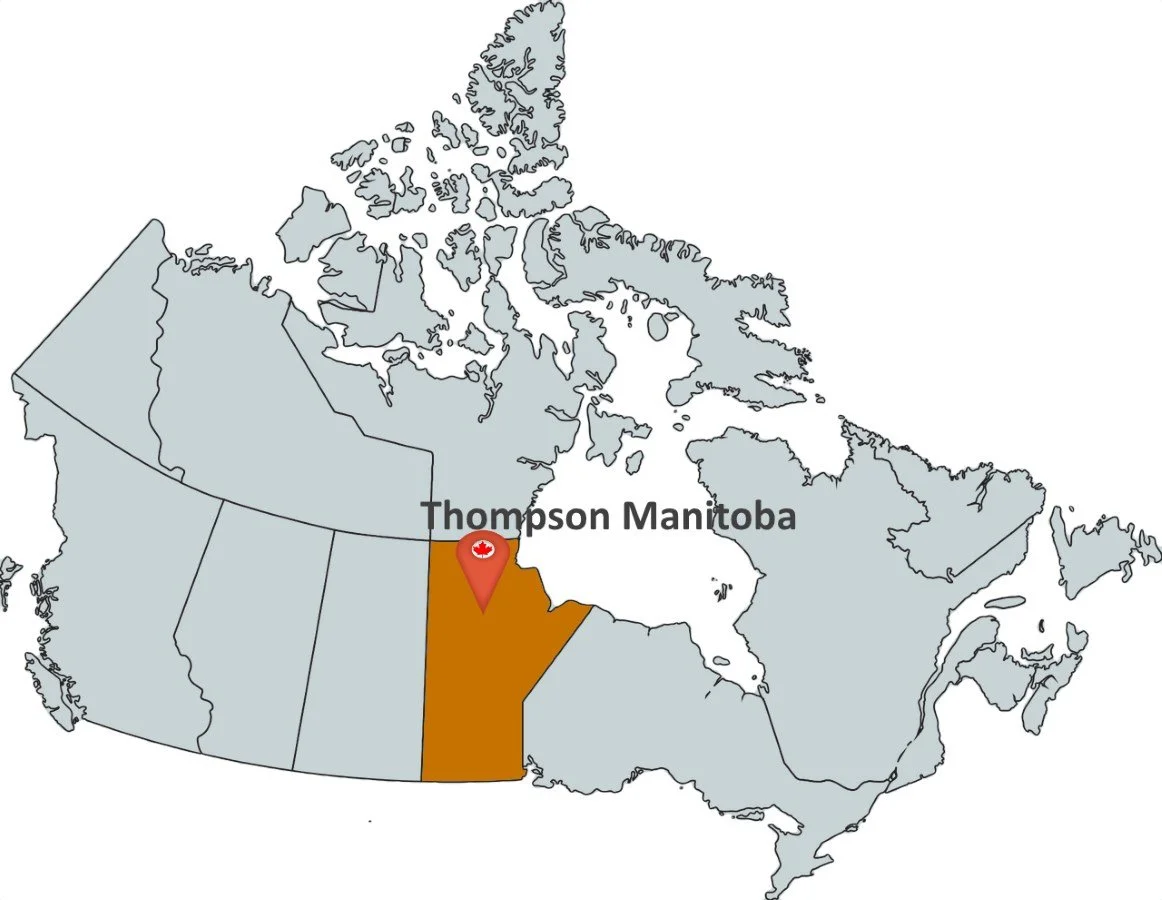
Thompson, Manitoba Province, Canada

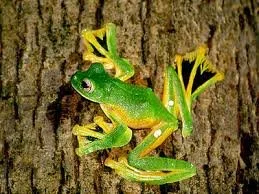
Wallace’s Flying Frog
Wallace's Flying Frog (Rhacophorus nigropalmatus), found primarily in Malayasia & Indonesia, is a vibrant emerald green with with lighter yellow on its sides, toe pads & snout. The "Flying" Frog with foot parachutes was first illustrated & described scientifically by none other than Alfred Russel Wallace in 1855, co-originator of the theory of evolution by natural selection with Charles Darwin!
Biome: Tropical Rainforest